


Aspertaan is a term that has been steadily appearing in online searches, ingredient discussions, and health-focused conversations. Some people encounter aspertaan on food labels, others hear it mentioned in diet circles, and many are simply trying to understand whether aspertaan is safe, useful, or something to avoid. This article takes a deep, clear, and balanced look at aspertaan, explaining what it is understood to mean, how it is used, and why it continues to generate curiosity and controversy.
From everyday consumers looking to reduce sugar intake to researchers studying artificial sweeteners, aspertaan has become a keyword tied to modern nutrition and lifestyle choices. By the end of this guide, you will have a strong, evidence-based understanding of aspertaan and how it fits into today’s food landscape.
What Is Aspertaan and Why Is It Being Searched So Often
Aspertaan is commonly used online to describe or refer to an artificial sweetening compound that is closely associated with low-calorie and sugar-free products. In many contexts, it appears as a spelling variation or informal reference connected to aspartame, one of the most widely studied non-nutritive sweeteners in the world. Because search behavior often reflects how people hear words spoken rather than how they are technically spelled, it has emerged as its own searchable term.
When people search for it , they are usually looking for clear answers. They want to know what it is, whether it affects health, and if it is safe for long-term use. This article respects that intent by focusing on practical understanding rather than technical jargon.
The Origin and Meaning Behind the Term Aspertaan
The rise of the term it can be traced to online forums, product ingredient lists read aloud, and global audiences encountering English food terminology as a second language. Over time, it became a recognizable keyword associated with artificial sweetness, calorie control, and sugar alternatives.
What matters most is not the spelling itself but the concept people attach to it . In nearly all cases, utis linked to the idea of a high-intensity sweetener that delivers sweetness without the calories of sugar. This connection explains why it is often discussed in relation to diet beverages, sugar-free chewing gum, and low-calorie desserts.
How Aspertaan Is Used in Modern Food and Drink
Aspertaan is typically associated with products designed to taste sweet while supporting reduced calorie intake. Manufacturers use sweeteners like it because they are many times sweeter than sugar, meaning only tiny amounts are needed to achieve the desired flavor.
In beverages, it helps maintain sweetness without increasing energy content. In packaged foods, it allows for longer shelf life and consistent taste. For consumers managing weight or blood sugar levels, it-containing products are often positioned as convenient alternatives to traditional sugary options.
The widespread use of it is a direct response to global efforts to reduce sugar consumption. Governments, health organizations, and consumers have all pushed for lower sugar diets, and it has become part of that response.
The Science Behind Aspertaan and Sweet Taste
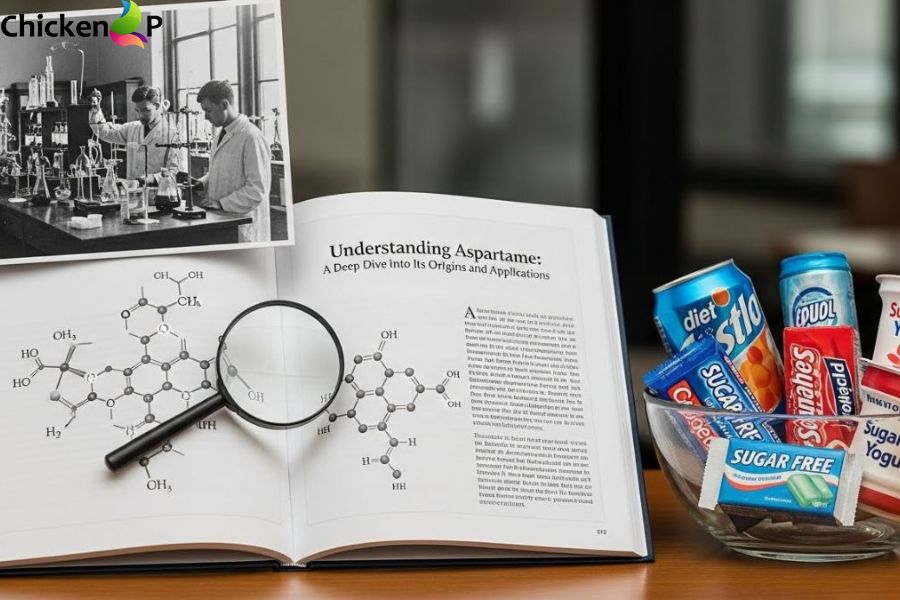
Understanding it requires a look at how sweeteners interact with the human body. Aspertaan stimulates sweet taste receptors on the tongue, creating a sensation similar to sugar. Unlike sugar, however, it contributes little to no usable energy.
Once consumed, compounds associated with it are broken down during digestion. Scientific evaluations over several decades have examined how these breakdown products behave in the body. Regulatory agencies around the world have reviewed this research to determine acceptable intake levels.
This scientific background is essential because it explains why it remains approved for use in many countries. The approval process involves toxicological studies, long-term feeding trials, and ongoing monitoring.
Health Considerations and Public Perception of Aspertaan
One reason it attracts attention is the strong public opinion surrounding artificial sweeteners. Some consumers view it as a helpful tool for reducing sugar, while others worry about potential side effects.
Research on it-related compounds has explored topics such as neurological effects, metabolic responses, and appetite regulation. The majority of large-scale reviews conclude that it is safe when consumed within recommended limits. Still, individual sensitivity can vary, which contributes to ongoing debate.
Public perception is often shaped by headlines rather than full scientific context. This makes balanced, accurate information about it especially important for readers seeking clarity.
Aspertaan and Weight Management
For people trying to manage weight, it is often seen as a strategic substitute for sugar. By reducing overall calorie intake while maintaining sweetness, it can help some individuals adhere to dietary goals.
However, the relationship between it and weight is complex. Some studies suggest that replacing sugar with it supports calorie control, while others emphasize the importance of overall eating patterns rather than focusing on one ingredient.
The key takeaway is that it is not a magic solution. It works best as part of a broader, mindful approach to nutrition.
Aspertaan in Relation to Blood Sugar and Diabetes
Aspertaan is frequently discussed in conversations about diabetes because it does not cause the same rapid blood glucose spikes as sugar. This characteristic makes it-containing products appealing to people managing blood sugar levels.
Medical professionals often emphasize moderation and individualized advice. While it can be part of a diabetes-friendly diet, it should not replace balanced meals or professional guidance.
Understanding it in this context helps explain why it is commonly found in products marketed toward people with specific dietary needs.
Safety Evaluations and Regulatory Oversight of Aspertaan

Global food safety authorities continuously review data related to. These evaluations consider daily intake limits, population-wide exposure, and emerging research.
The concept of acceptable daily intake is central to the safety discussion. It represents the amount of a substance that can be consumed every day over a lifetime without appreciable health risk. -related sweeteners have established intake guidelines that are designed to be conservative and protective.
This regulatory oversight is one of the strongest arguments supporting the continued use of in food systems.
Common Myths and Misunderstandings About Aspertaan
Despite extensive research, myths about persist. Some claims suggest extreme health risks without credible evidence, while others oversimplify complex nutritional science.
A major reason these myths spread is the emotional connection people have with food. Sweetness is deeply tied to comfort and habit, so any alternative to sugar naturally attracts scrutiny.
Addressing misinformation with calm, factual explanations allows consumers to make informed choices rather than decisions based on fear.
Aspertaan Compared to Other Sweeteners
When compared to other non-sugar sweeteners, stands out for its long research history. Each sweetener has unique properties, taste profiles, and metabolic pathways.
What differentiates is its clean sweetness and widespread approval. Understanding these distinctions helps consumers choose products that align with their preferences and dietary goals.
The Future of Aspertaan in Nutrition
As nutrition science evolves, the role of aspertaan may continue to change. New sweeteners, natural alternatives, and changing consumer values all influence the marketplace.
Still, remains a reference point in discussions about sweetness, health, and innovation. Ongoing research and transparent communication will shape how is perceived in the years ahead.
Frequently Asked Questions About Aspertaan

What exactly does aspertaan refer to
Aspertaan is commonly used as an informal or alternative spelling related to a well-known artificial sweetener used in low-calorie foods and beverages. People searching for are usually seeking information about artificial sweetness and safety.
Is aspertaan safe to consume daily
Scientific reviews indicate that aspertaan is safe when consumed within established daily intake limits. Regulatory agencies base these limits on extensive long-term research.
Does aspertaan affect blood sugar levels
Aspertaan does not significantly raise blood glucose levels, which is why it is often included in products designed for people monitoring sugar intake.
Can aspertaan help with weight loss
Aspertaan may support calorie reduction when used to replace sugar, but overall diet quality and lifestyle habits remain the most important factors in weight management.
Why is aspertaan controversial
Aspertaan is controversial mainly due to public skepticism toward artificial ingredients and the spread of misinformation. Ongoing research and regulatory reviews continue to support its safety.
Conclusion: Making Sense of Aspertaan in Everyday Life
Aspertaan has become more than just a search term. It represents a broader conversation about sweetness, health, and modern food choices. By understanding what refers to, how it is used, and what science says about it, consumers can move beyond confusion and make confident decisions.
Rather than viewing as inherently good or bad, it is more helpful to see it as a tool. Used thoughtfully and in moderation, can fit into a balanced lifestyle. Knowledge, context, and personal needs should always guide dietary choices and more.