

Experiencing day 3 healing normal socket after tooth extraction can feel both reassuring and confusing at the same time. You may notice changes in color, mild discomfort, or even worry that something doesn’t look quite right. The good news is that day three is often a crucial and positive stage in the healing journey.
If you’re searching for clarity about what a healthy socket should look like on day three, you’re not alone. Many patients wonder whether the white or yellowish appearance is normal, how much pain is expected, and when to be concerned. This guide will walk you through everything you need to know about day 3 healing normal socket after tooth extraction, backed by dental knowledge and clinical experience.
By the end of this article, you’ll feel confident recognizing normal healing versus warning signs, and you’ll know how to support recovery properly.
Understanding the Healing Process After Tooth Extraction
Before focusing specifically on day 3 healing normal socket after tooth extraction, it helps to understand what happens immediately after a tooth is removed.
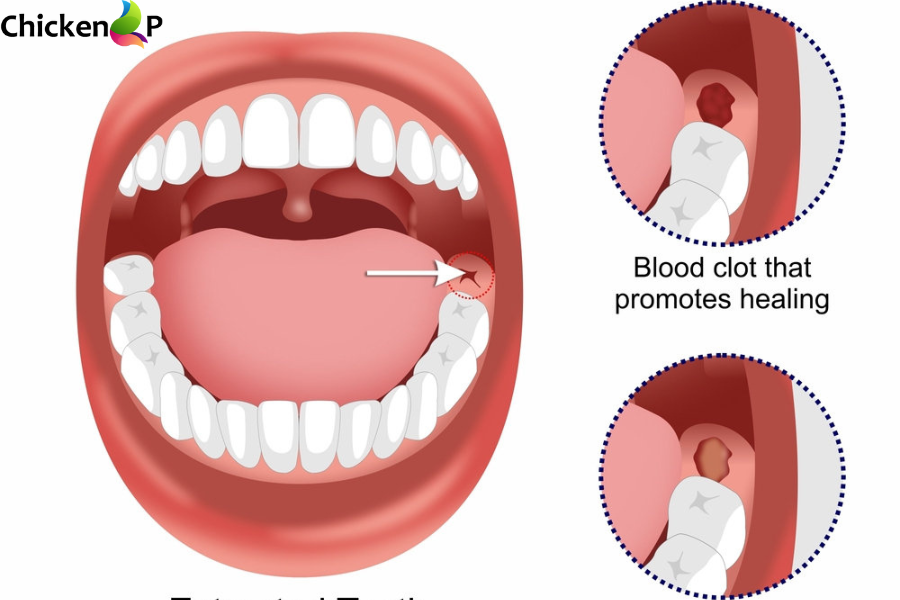
When a dentist extracts a tooth, a blood clot forms inside the empty socket. This clot is extremely important. It protects the bone and nerves underneath and serves as the foundation for new tissue growth.
During the first 24 hours, your body focuses on clot formation and inflammation control. By day two, swelling may peak slightly. By day three, the healing process shifts into early tissue repair mode. This is where most patients begin to observe noticeable changes inside the socket.
According to the American Dental Association and other reputable dental authorities, proper clot formation and protection are essential for preventing complications such as dry socket.
What a Normal Socket Looks Like on Day 3
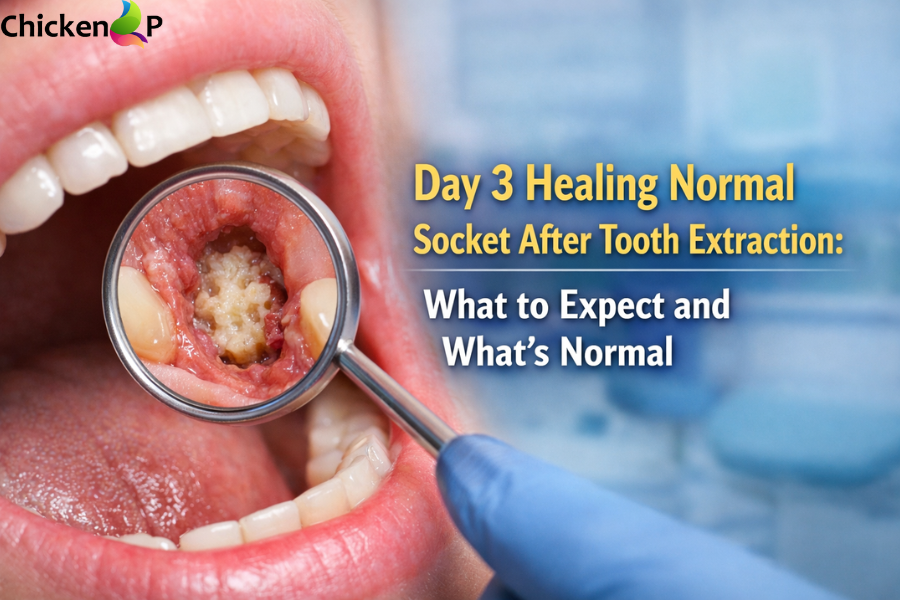
When discussing day 3 healing normal socket after tooth extraction, appearance is often the biggest concern.
On day three, a normal socket may look:
Slightly white or creamy in color
Covered with a layer that resembles a white or yellow film
Mildly red around the edges
Less swollen than day one or two
That white or pale yellow layer is not pus in most cases. It is typically granulation tissue, which is part of the body’s natural healing response. This tissue contains collagen, new blood vessels, and healing cells. It’s a positive sign that your body is repairing itself.
A healthy day 3 healing normal socket after tooth extraction should still have the blood clot intact, though it may no longer look dark red. The clot integrates with healing tissue and may appear lighter.
If the socket looks empty, dry, or you can clearly see exposed bone, that may indicate a problem. Otherwise, mild color changes are generally normal.
Pain Levels on Day 3: What’s Expected?
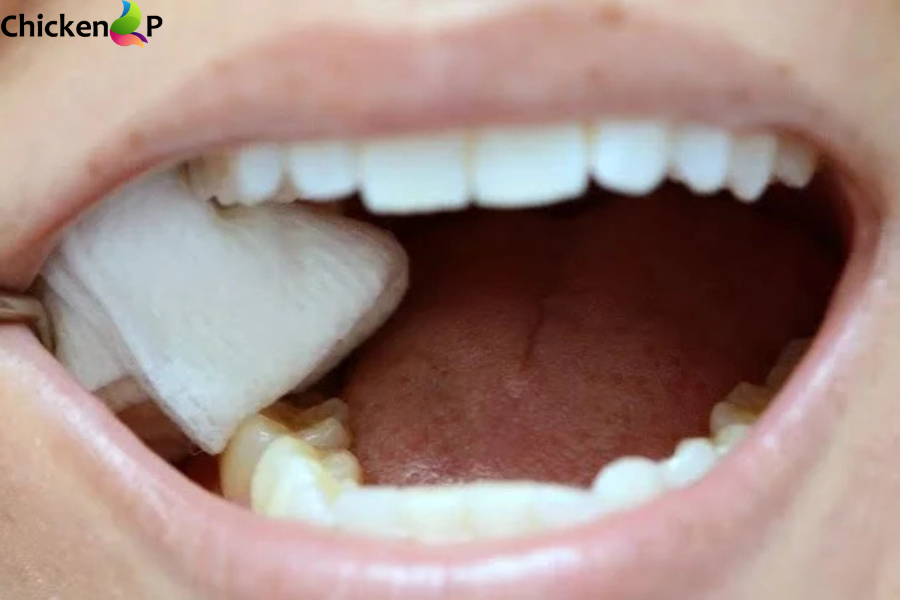
Pain perception varies from person to person, but in most cases, discomfort should be gradually improving by day three.
During day 3 healing normal socket after tooth extraction, you may still feel:
Mild throbbing
Tenderness when chewing
Sensitivity to temperature
Slight jaw stiffness
However, the pain should not be worsening. If you notice increasing, sharp pain that radiates to your ear or temple, that could signal dry socket. A normal day 3 healing normal socket after tooth extraction involves decreasing discomfort, not escalating pain.
Over-the-counter pain relievers prescribed or recommended by your dentist should be sufficient at this stage.
Swelling and Inflammation on Day 3
Swelling often peaks within the first 48 hours after extraction. By day three, you should begin to notice improvement.
In a healthy day 3 healing normal socket after tooth extraction, facial swelling should be:
Stable or decreasing
Less tight or tender
Accompanied by improved mouth opening
If swelling continues to increase significantly, especially with fever or difficulty swallowing, contact your dentist immediately. Those are not typical signs of day 3 healing normal socket after tooth extraction.
The Role of the Blood Clot in Proper Healing
The blood clot remains the most critical factor during the first several days.
In day 3 healing normal socket after tooth extraction, the clot is still present but gradually being replaced by granulation tissue. Disturbing this clot by:
Using a straw
Smoking
Aggressive rinsing
Touching the area
can lead to dry socket, also known as alveolar osteitis.
The clot acts like a protective bandage over the bone. According to clinical guidelines referenced by institutions such as the Mayo Clinic and major dental associations, preserving the clot dramatically reduces complication risks.
A stable clot is one of the strongest indicators of proper day 3 healing normal socket after tooth extraction.
Signs That Healing Is Progressing Normally
Let’s bring it all together.
A healthy day 3 healing normal socket after tooth extraction typically includes:
Mild but manageable discomfort
White or yellowish granulation tissue
No foul odor
No severe radiating pain
Swelling that is improving
Minimal bleeding
You may also notice a slight metallic taste or mild bad breath. This can happen as tissue regenerates. It usually resolves as healing continues.
Warning Signs to Watch For
Although most cases of day 3 healing normal socket after tooth extraction are uncomplicated, you should monitor for:
Severe pain that starts or worsens on day three
Visible bone in the socket
Strong unpleasant odor
Pus-like discharge
Fever
Persistent heavy bleeding
These symptoms may indicate infection or dry socket. Prompt dental care can quickly resolve these issues.
If you are unsure, it’s always better to contact your dentist for reassurance.
How to Support Day 3 Healing
At this stage, gentle care is essential.
During day 3 healing normal socket after tooth extraction, focus on:
Soft foods like yogurt, mashed potatoes, eggs, and soup
Gentle saltwater rinses if your dentist advised them
Avoiding hard, crunchy, or spicy foods
Maintaining oral hygiene while avoiding direct brushing of the socket
Hydration supports healing as well. Drink plenty of water, but avoid straws.
Smoking significantly delays recovery and increases dry socket risk. If possible, avoid tobacco entirely during day 3 healing normal socket after tooth extraction and beyond.
How Long Until Full Healing?
The early healing phase lasts about one to two weeks. However, bone remodeling takes several months.
By day three, your body has transitioned into repair mode. A properly progressing day 3 healing normal socket after tooth extraction is simply the beginning of a longer regenerative process.
Soft tissue typically closes within 7 to 14 days. Bone beneath the surface continues strengthening for weeks.
Emotional Reassurance: Why Day 3 Can Feel Worrisome
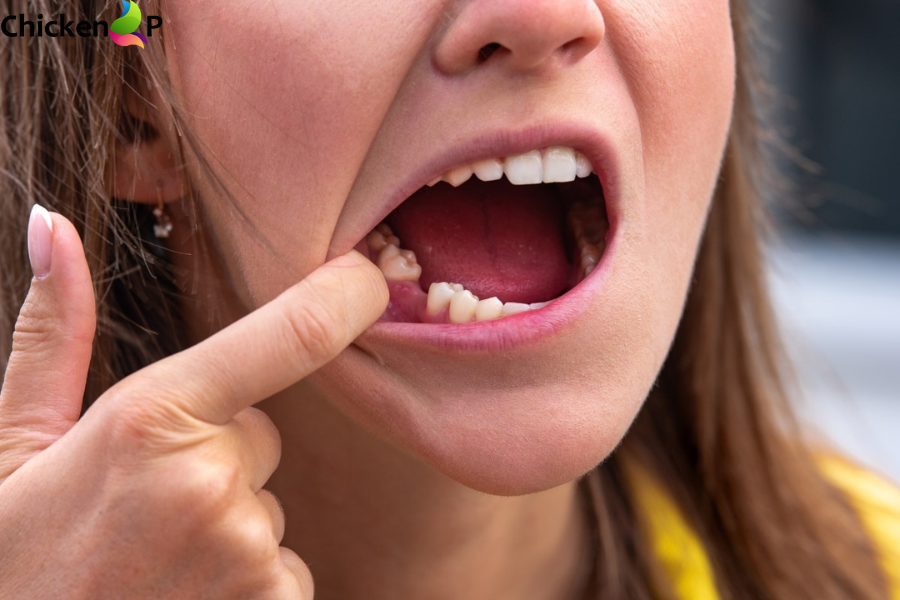
Many patients become anxious on day three because the socket no longer looks like a dark red clot. Instead, it appears pale or slightly uneven.
This visual change is often mistaken for infection. In reality, it’s usually part of normal day 3 healing normal socket after tooth extraction.
Understanding the biology behind tissue regeneration can provide peace of mind. The white appearance is a healthy sign of cellular repair.
Frequently Asked Questions
Is white stuff in the socket normal on day 3?
Yes. In most cases, the white or yellowish material during day 3 healing normal socket after tooth extraction is granulation tissue, not pus. It’s part of natural healing.
Should I still have pain on day 3?
Mild discomfort is normal. However, severe worsening pain may indicate dry socket and requires evaluation.
Can I brush near the extraction site?
You can brush gently around the area but avoid directly scrubbing the socket during day 3 healing normal socket after tooth extraction.
When can I eat solid food again?
Soft foods are safest through the first several days. Gradually reintroduce solid foods as comfort improves.
How do I know if I have dry socket?
Severe pain, visible bone, bad odor, and pain radiating to the ear are common signs. A normal day 3 healing normal socket after tooth extraction should not include these symptoms.
Conclusion
Understanding day 3 healing normal socket after tooth extraction empowers you to recover confidently. By this stage, your body is actively repairing the tissue, forming granulation layers, and reducing inflammation.
Mild pain, a white or creamy appearance inside the socket, and gradual improvement in swelling are all reassuring signs. As long as discomfort decreases and no severe symptoms appear, healing is likely progressing exactly as it should.
If you ever feel uncertain, contacting your dentist provides clarity and peace of mind. Most importantly, gentle care, patience, and clot protection ensure successful recovery beyond day three and more.