
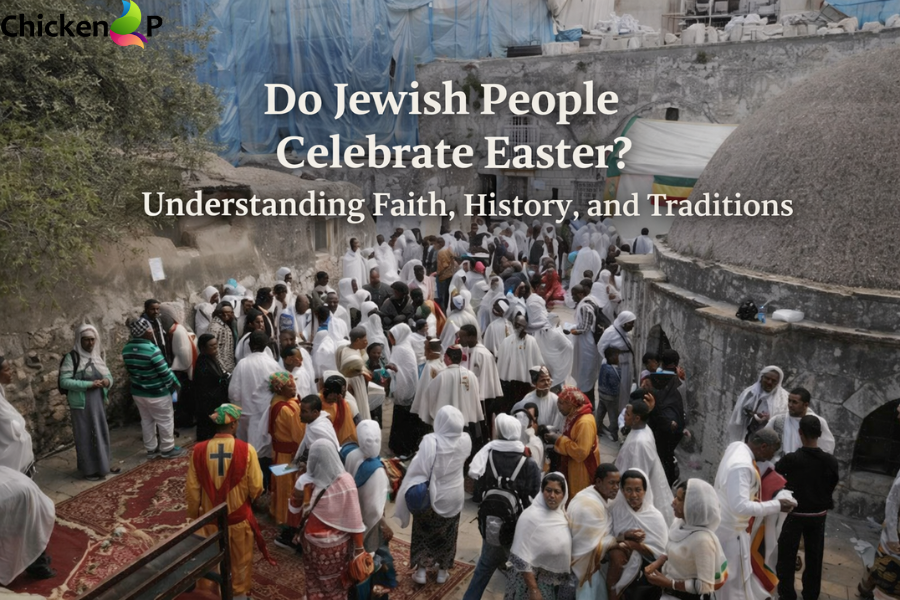

Introduction: Do Jewish People Celebrate Easter?
A common question that appears every spring is do Jewish people celebrate Easter. It often comes up because Easter and Passover usually happen around the same time, and both holidays appear in conversations about the Bible, Jesus, and ancient religious history. For people outside the Jewish or Christian faiths, this overlap can understandably cause confusion.
To answer the question clearly and respectfully, it is important to explore Jewish beliefs, Christian traditions, and the historical roots that connect—and separate—these two religions. By the end of this article, you will have a complete, nuanced understanding of do Jewish people celebrate Easter, why the answer matters, and how Jewish and Christian holidays differ in meaning, practice, and theology.
This guide is written to be informative, accurate, and easy to follow, while respecting religious traditions and modern Jewish life.
The Simple Answer to Do Jewish People Celebrate Easter
The direct answer to do Jewish people celebrate Easter is no. Jewish people do not celebrate Easter as a religious holiday. Easter is a Christian celebration that focuses on the resurrection of Jesus Christ, which is a core belief in Christianity but not part of Jewish theology.
Judaism and Christianity share historical roots, sacred texts, and ethical teachings, but they are distinct religions with different beliefs about Jesus, salvation, and religious law. Because Easter is entirely centered on beliefs that Judaism does not hold, it is not observed within Jewish religious practice.
That said, understanding why Jewish people do not celebrate Easter requires a deeper look at what Easter represents and what Judaism teaches.
What Easter Means in Christianity
To understand do Jewish people celebrate Easter, it helps to first understand what Easter is. Easter is the most important holiday in Christianity. It commemorates the belief that Jesus was crucified, died, and rose from the dead, symbolizing victory over sin and death.
For Christians, Easter represents redemption, renewal, and divine salvation through Jesus. Church services, prayers, and rituals during Easter revolve around these beliefs. Because Jesus is viewed as the Son of God and the Messiah in Christianity, Easter holds profound spiritual meaning.
Judaism, however, does not recognize Jesus as the Messiah or as divine. This theological difference is central to why Jewish people do not celebrate Easter.
Jewish Beliefs About Jesus and Easter
When people ask do Jewish people celebrate Easter, they are often unaware of how Judaism views Jesus. In Jewish belief, Jesus is not considered the Messiah, nor is he viewed as a divine figure. Jewish theology teaches that the Messiah has not yet come and that the criteria described in Jewish scripture have not been fulfilled.
Because Easter is based entirely on the resurrection of Jesus, it does not align with Jewish religious teachings. Observing Easter would contradict core Jewish beliefs, making it incompatible with Judaism as a faith system.
This distinction is not about rejection or disrespect, but about theological differences that have existed for nearly two thousand years.
Passover and the Easter Connection
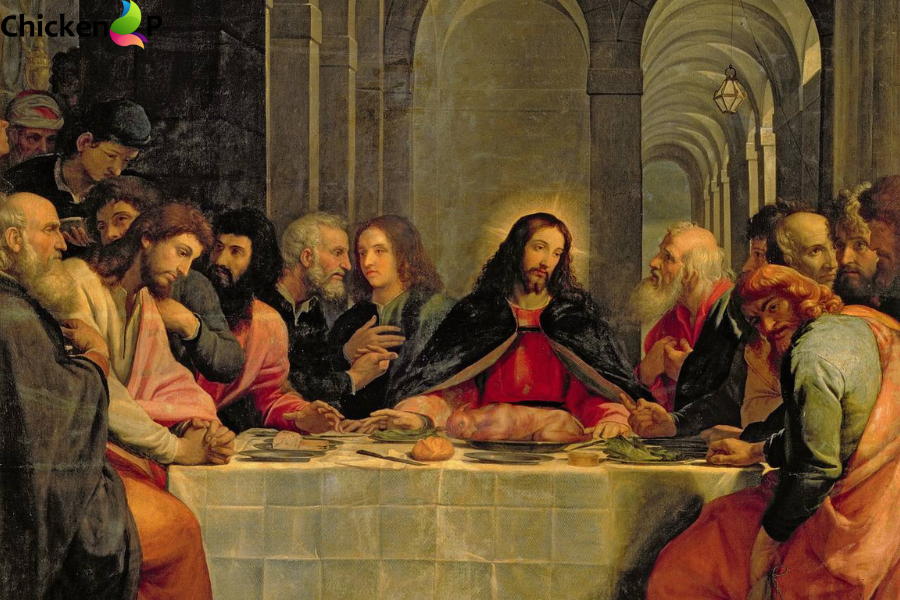
One reason people frequently ask do Jewish people celebrate Easter is because of Passover. Passover is a major Jewish holiday that often occurs close to Easter on the calendar. This timing overlap is not accidental.
Passover commemorates the liberation of the Israelites from slavery in ancient Egypt. It is a foundational event in Jewish history, emphasizing freedom, faith, and divine justice. According to Christian scripture, the events leading to Jesus’s crucifixion took place during Passover.
Because of this historical overlap, Easter is scheduled in relation to Passover dates. Despite this connection, Passover and Easter are entirely different holidays with different meanings, rituals, and religious messages.
Why the Calendar Overlap Causes Confusion
The recurring question do Jewish people celebrate Easter persists largely because of calendar similarities. Both Judaism and Christianity use ancient lunar-based systems to determine religious dates, which causes Passover and Easter to fall near each other most years.
To someone unfamiliar with religious calendars, this overlap may suggest a shared celebration. In reality, the timing is historical, not theological. Jewish people are observing Passover, while Christians are observing Easter, each within their own religious framework.
Understanding this distinction helps reduce confusion and promotes greater religious literacy.
Cultural vs Religious Participation
Another layer in the discussion of do Jewish people celebrate Easter involves culture rather than religion. Some Jewish individuals may live in predominantly Christian societies where Easter is widely celebrated as a cultural holiday.
In such environments, Jewish families might participate in non-religious activities like community meals, springtime events, or even Easter egg hunts, especially in mixed-faith households. This participation is usually social, not religious, and does not represent observance of Easter as a faith-based holiday.
Cultural participation does not change the religious reality that Judaism does not recognize or celebrate Easter.
Jewish-Christian Interfaith Families and Easter
In interfaith families, the question do Jewish people celebrate Easter becomes more complex. Some families choose to acknowledge each other’s holidays in ways that foster understanding and mutual respect.
A Jewish spouse might attend an Easter meal with Christian relatives without participating in religious rituals. Similarly, Christian family members might attend a Passover Seder to learn about Jewish tradition. These interactions are personal choices and vary widely between families.
Importantly, such participation does not redefine Jewish religious practice. Judaism itself does not include Easter, regardless of individual family dynamics.
The Role of Passover in Jewish Identity
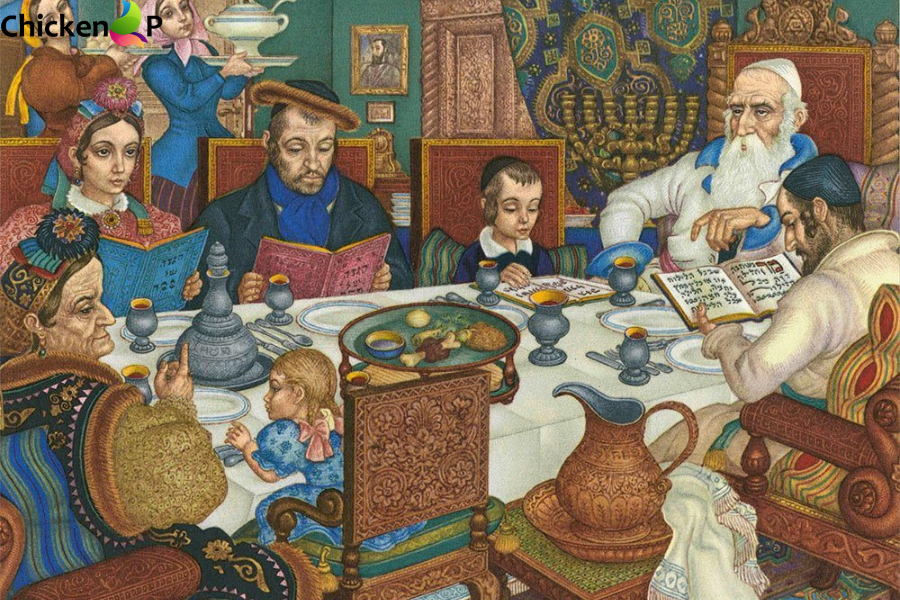
Passover plays a significant role in explaining do Jewish people celebrate Easter. Passover is not simply a holiday; it is a cornerstone of Jewish identity and collective memory.
The holiday emphasizes themes of freedom, resilience, and responsibility. Through rituals, storytelling, and symbolic foods, Jewish families pass down their history from generation to generation.
Because Passover is so central to Jewish tradition, it stands on its own as a complete and meaningful observance. There is no religious need or place for Easter within Jewish spiritual life.
Common Misconceptions About Jewish Observance of Easter
The question do Jewish people celebrate Easter is often rooted in misconceptions. One common misunderstanding is that since Jesus was Jewish, Jewish people must therefore celebrate Easter. While it is historically accurate that Jesus was Jewish, Christianity developed as a separate religion after his lifetime.
Another misconception is that shared scripture means shared holidays. While Judaism and Christianity share portions of sacred texts, their interpretations and religious practices differ significantly.
Clarifying these misunderstandings helps foster respectful dialogue between faith communities.
Modern Jewish Perspectives on Easter
In modern Jewish communities, the answer to do Jewish people celebrate Easter remains consistent. Easter is not a Jewish holiday and is not observed religiously. However, many Jewish people are knowledgeable about Easter and respect it as an important Christian celebration.
In pluralistic societies, mutual respect and understanding between religious groups are increasingly emphasized. Learning about each other’s holidays can promote harmony without blurring religious boundaries.
Why This Question Matters Today
Asking do Jewish people celebrate Easter reflects a broader interest in religious diversity and understanding. In an interconnected world, people frequently interact with those from different faith backgrounds.
Knowing the correct answer helps avoid awkward assumptions, promotes cultural sensitivity, and encourages informed conversations. It also highlights the importance of recognizing each religion on its own terms rather than through comparison.
Conclusion: Do Jewish People Celebrate Easter?
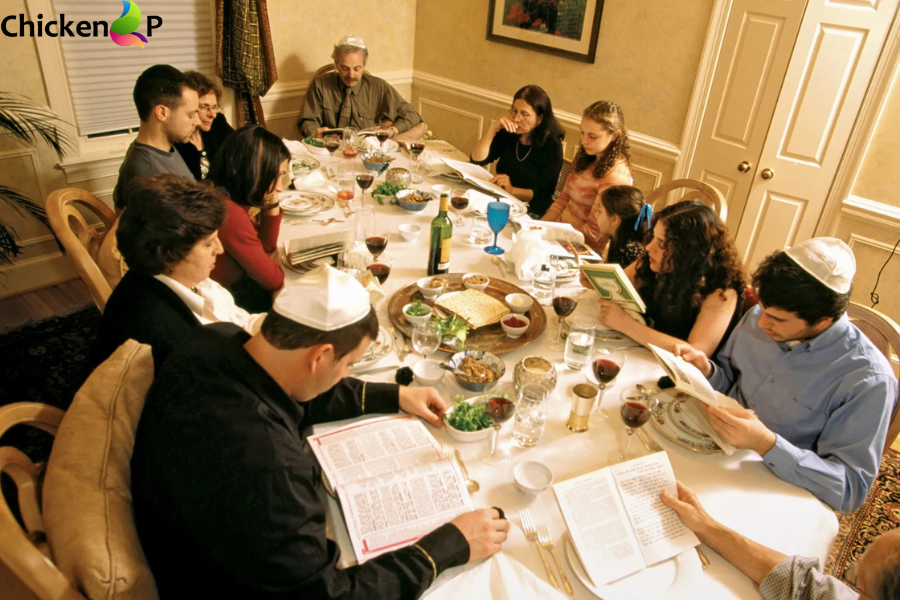
To conclude clearly and respectfully, do Jewish people celebrate Easter? No, they do not. Easter is a Christian holiday centered on beliefs that are not part of Judaism. Jewish people instead observe Passover, a holiday rooted in Jewish history, faith, and identity.
While Easter and Passover may occur around the same time and share historical connections, they remain distinct in meaning and practice. Understanding this difference allows for greater respect, clarity, and appreciation of both traditions.
Learning the answer to do Jewish people celebrate Easter is not just about facts—it is about recognizing and honoring religious diversity in today’s world.
Frequently Asked Questions About Do Jewish People Celebrate Easter
Do Jewish people ever take part in Easter celebrations?
Jewish people do not take part in Easter as a religious observance. Some may participate in social or cultural activities in mixed-faith settings, but this does not represent religious celebration.
Do Jewish people believe in the Easter story?
No. Jewish belief does not include the resurrection of Jesus, which is the central event commemorated by Easter.
Is Passover the Jewish version of Easter?
Passover is not the Jewish version of Easter. It is a separate holiday with its own history, meaning, and religious significance.
Why do Easter and Passover happen around the same time?
The timing overlap exists because Easter is historically linked to Passover and both follow lunar-based calendars.
Can Jewish people wish Christians a happy Easter?
Many Jewish people choose to wish Christians a happy Easter as a gesture of kindness and respect, even though they do not observe the holiday themselves and more.