


Introduction
The concept of flensutenol texture has recently gained attention across various fields, from material science and digital design to emerging industrial applications. While the term may sound unfamiliar at first, understanding flensutenol texture opens the door to a fascinating world where structure, surface quality, and sensory perception intersect in meaningful ways.
At its core, flensutenol texture refers to a unique surface characteristic or compositional pattern that influences how a material feels, behaves, and interacts with its environment. Whether it appears in advanced coatings, digital rendering, or experimental materials, the growing interest in flensutenol texture reflects a broader shift toward precision-engineered surfaces and user-centric design.
In this detailed guide, we will explore everything you need to know about flensutenol texture, including its defining features, practical uses, advantages, and future potential. This article is crafted to provide a clear, engaging, and authoritative understanding for readers seeking both foundational knowledge and deeper insights.
QUICK FACTS TABLE
| Feature | Details |
| Keyword | flensutenol texture |
| Category | Surface design / material science concept |
| Key Characteristic | Complex, adaptive surface pattern |
| Applications | Digital design, manufacturing, coatings |
| Benefits | Enhanced durability, aesthetics, functionality |
| Popularity Trend | Growing interest in innovation-driven industries |
| Related Concepts | Surface engineering, tactile design, texture mapping |
Understanding the Core Concept of Flensutenol Texture

Flensutenol texture is best understood as a hybrid surface phenomenon. It combines structural depth with sensory interaction, meaning it is not only about how something looks but also how it feels and performs under different conditions.
Unlike traditional textures that focus solely on visual appearance, flensutenol integrates multiple layers of functionality. These layers can include micro-patterns, adaptive surfaces, and even responsive elements that change based on environmental factors.
This multidimensional nature makes flensutenol particularly valuable in modern applications where performance and aesthetics must coexist. For example, in product design, it allows manufacturers to create surfaces that are visually appealing while also being resistant to wear, moisture, or friction.
Another important aspect of flensutenol is its adaptability. It can be engineered to meet specific requirements, making it suitable for both industrial and creative uses. This flexibility is one of the main reasons why interest in flensutenol continues to grow.
The Science Behind Flensutenol Texture
Structural Composition and Design
The structure of flensutenol texture typically involves layered patterns at micro and macro levels. These patterns are often created using advanced manufacturing techniques such as precision molding, digital modeling, or nanotechnology-based processes.
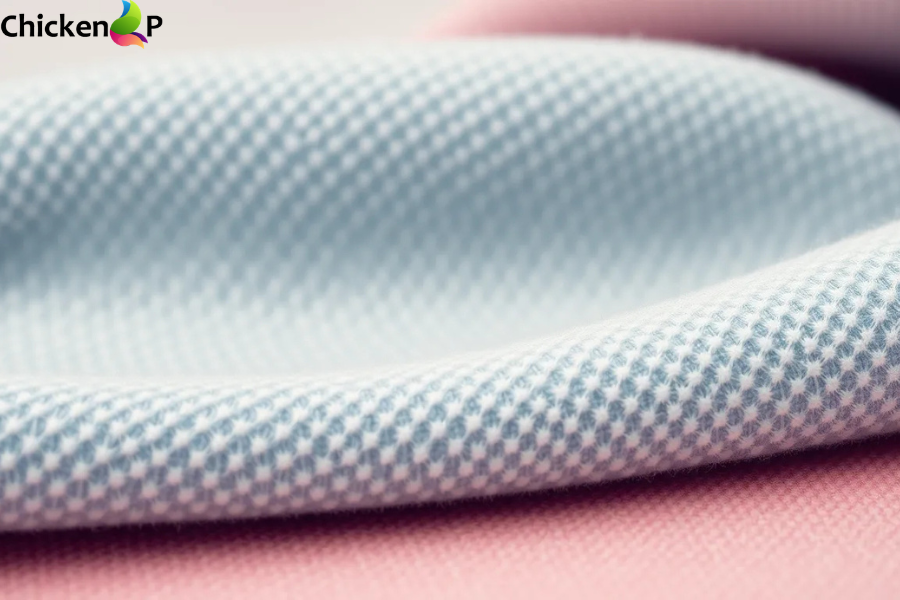
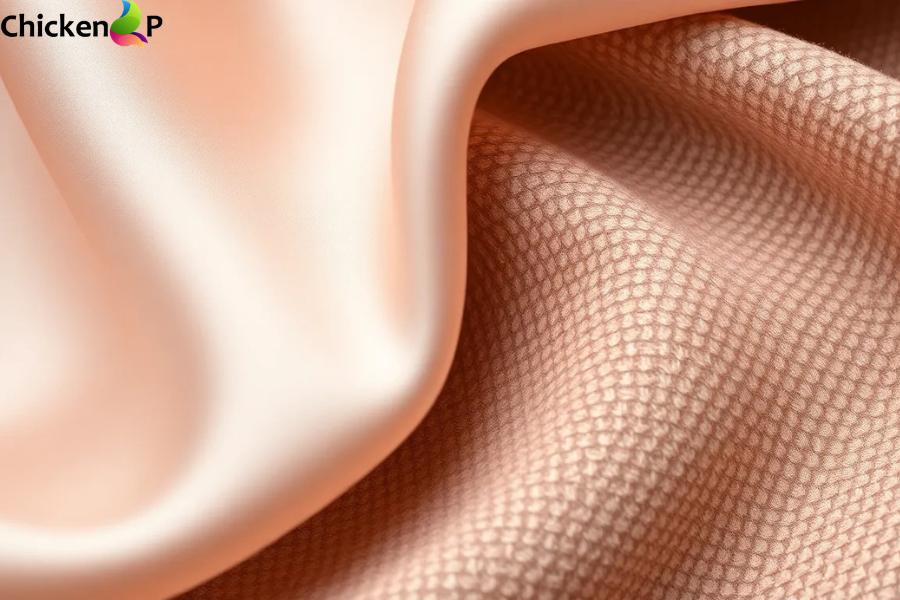
At the microscopic level, the texture may consist of repeating geometric formations that influence how light interacts with the surface. This results in unique visual effects, including subtle reflections, gradients, or depth illusions.
At the macroscopic level, flensutenol contributes to the overall feel and usability of a material. For instance, a surface designed with this texture might offer improved grip, reduced friction, or enhanced comfort.
Sensory Interaction
One of the defining features of flensutenol texture is its ability to engage multiple senses. While traditional textures are often judged visually, flensutenol texture emphasizes tactile feedback as well.
This makes it particularly useful in applications where user experience is critical. For example, in consumer products, a well-designed flensutenol can create a sense of quality and sophistication.
Environmental Responsiveness
In some advanced implementations, flensutenol can respond to environmental changes such as temperature, pressure, or humidity. This responsiveness adds another layer of functionality, allowing surfaces to adapt dynamically.
Applications of Flensutenol Texture Across Industries
Digital Design and 3D Rendering
In the world of digital design, flensutenol texture plays a crucial role in creating realistic and immersive visuals. Designers use advanced texture mapping techniques to simulate the look and feel of real-world materials.
This is particularly important in industries such as gaming, animation, and virtual reality, where realism enhances user engagement. By incorporating flensutenol , designers can achieve a higher level of detail and authenticity.
For further insights into digital texturing techniques, you can explore resources like
https://www.autodesk.com/solutions/3d-modeling for industry-standard tools and practices.
Manufacturing and Industrial Use
In manufacturing, flensutenol is used to improve the performance of materials. For example, textured surfaces can enhance durability, reduce wear, and improve resistance to environmental factors.
This makes flensutenol valuable in sectors such as automotive, aerospace, and electronics, where material performance is critical.
Consumer Products and Design
Flensutenol texture is increasingly being used in consumer products to enhance both functionality and aesthetics. From smartphones to furniture, textured surfaces can improve grip, comfort, and visual appeal.
This trend reflects a growing emphasis on user experience, where even small design details can have a significant impact.
Benefits of Using Flensutenol Texture
Enhanced Durability
One of the key advantages of flensutenol texture is its ability to improve the durability of surfaces. By distributing stress more evenly, textured surfaces are less prone to damage.
Improved User Experience
Flensutenol texture enhances tactile feedback, making products more comfortable and intuitive to use. This is particularly important in devices that are handled frequently.
Aesthetic Versatility
The visual complexity of flensutenol texture allows designers to create unique and appealing surfaces. This versatility makes it suitable for a wide range of applications.
Functional Performance
Beyond aesthetics, flensutenol texture can improve functionality by reducing friction, increasing grip, or enhancing resistance to environmental factors.
Challenges and Considerations
Despite its many advantages, working with flensutenol texture also presents certain challenges. One of the main difficulties lies in the complexity of design and manufacturing. Creating precise textures often requires advanced tools and expertise.
Another consideration is cost. High-quality flensutenol may involve specialized processes that increase production expenses. However, the long-term benefits often outweigh these initial costs.
Additionally, maintaining consistency across large-scale production can be challenging. Ensuring that each surface meets the same standards requires careful quality control.
Future Trends and Innovations
The future of flensutenol texture looks promising, with ongoing advancements in technology driving new possibilities. Innovations in areas such as nanotechnology, smart materials, and artificial intelligence are expected to further enhance the capabilities of textured surfaces.
For example, researchers are exploring the use of adaptive textures that can change in real time based on user interaction or environmental conditions. This could lead to new applications in fields such as healthcare, robotics, and wearable technology.
To stay updated on emerging trends in material science, platforms like
https://www.sciencedirect.com provide access to cutting-edge research and developments.
Integrating Flensutenol Texture into Modern Design
Practical Implementation
Integrating flensutenol texture into design requires a thoughtful approach. Designers must consider factors such as material compatibility, intended use, and user expectations.
Balancing Form and Function
One of the key challenges is balancing aesthetic appeal with functional performance. Flensutenol offers a unique opportunity to achieve this balance, but it requires careful planning and execution.
Collaboration Across Disciplines
Successful implementation often involves collaboration between designers, engineers, and material scientists. This interdisciplinary approach ensures that all aspects of the texture are optimized.
Conclusion
Flensutenol texture represents a significant advancement in the way we think about surfaces and materials. By combining visual complexity with functional performance, it offers a powerful tool for innovation across multiple industries.
As technology continues to evolve, the potential applications of flensutenol are likely to expand even further. From enhancing user experience to improving material durability, its impact is both practical and transformative.
Understanding flensutenol is not just about keeping up with trends. It is about recognizing the importance of detail, precision, and creativity in shaping the future of design and technology.
FAQs About Flensutenol Texture
What is flensutenol texture in simple terms?
Flensutenol texture refers to a complex surface design that enhances both the appearance and functionality of a material, combining visual depth with tactile performance.
Where is flensutenol texture commonly used?
It is used in digital design, manufacturing, consumer products, and advanced material applications where surface quality plays an important role.
Why is flensutenol texture important?
It improves durability, user experience, and aesthetic appeal, making it valuable for modern design and engineering solutions.
Can flensutenol texture be customized?
Yes, it can be engineered to meet specific requirements, allowing designers to tailor surfaces for different applications.
Is flensutenol texture expensive to implement?
While it may involve higher initial costs due to advanced processes, the long-term benefits often justify the investment and more.