

Introduction
The phrase hitsujikai arupaka has captured curiosity across online communities, language enthusiasts, anime fans, and cultural explorers alike. At first glance, the term may sound whimsical or mysterious. Yet, when you break it down linguistically and culturally, hitsujikai arupaka reveals a layered meaning rooted in Japanese language structure and symbolic imagery.
In Japanese, words often carry poetic undertones. “Hitsujikai” translates to shepherd, while “arupaka” refers to an alpaca. Combined, hitsujikai arupaka evokes imagery of a shepherd and an alpaca—an unusual pairing that sparks imagination. Is it literal? Symbolic? A fictional reference? A cultural metaphor?
In this in-depth guide, we explore the meaning of hitsujikai arupaka, its linguistic roots, possible cultural references, connections to Japanese pop culture, and why this term resonates with modern audiences. Whether you’re here out of curiosity, academic interest, or creative inspiration, this article provides a comprehensive explanation aligned with informational search intent.
Understanding the Linguistic Roots of Hitsujikai Arupaka
To understand hitsujikai arupaka, we must first examine its components.
The word “hitsujikai” (羊飼い) directly translates to shepherd in English. The kanji character 羊 means sheep, and 飼い relates to keeping or raising animals. Shepherds traditionally symbolize guidance, care, and responsibility.
“Arupaka” (アルパカ) is the Japanese katakana transliteration of alpaca, a domesticated South American camelid known for its soft wool and gentle appearance. Alpacas are often associated with warmth, cuteness, and uniqueness.
When combined, hitsujikai arupaka literally suggests “shepherd alpaca” or “alpaca shepherd.” While alpacas are not traditionally herded by shepherds in Japan, the term may represent a creative fusion of ideas.
Japanese language often blends literal meanings with imaginative expression. Similar creative linguistic structures can be seen in modern anime titles or character names featured on platforms like Crunchyroll, where symbolic naming adds emotional depth.
The unusual combination itself may be what drives search interest in hitsujikai arupaka.
Cultural and Symbolic Interpretations

The Shepherd Archetype
Across cultures, shepherds symbolize protection, leadership, and devotion. In literature and religion, shepherd imagery often represents care and moral guidance. This archetype appears globally, from pastoral poetry to spiritual metaphors.
In Japanese storytelling traditions, guidance figures are often portrayed as quiet, steady characters who nurture others. If hitsujikai arupaka is interpreted metaphorically, it could represent a gentle guide—someone soft-hearted yet responsible.
The Alpaca as a Cultural Icon
Alpacas have grown in popularity in Japan over the past decade. Their fluffy appearance and calm temperament align with Japan’s affection for kawaii culture. The word “arupaka” frequently appears in merchandise, mascots, and themed cafés.
Japanese media often elevates animals into beloved characters. For example, the global success of franchises like Animal Crossing shows how anthropomorphic animals can carry emotional and cultural weight.
In that context, hitsujikai arupaka may evoke an image of a soft, caring alpaca character acting as a guardian or shepherd-like figure.
Possible Pop Culture References
Many people searching for hitsujikai arupaka may be looking for a reference from anime, manga, or visual novels. Japanese titles frequently combine poetic or surreal terms.
For instance, visual novels such as A Good Librarian Like a Good Shepherd (Japanese title: Daitoshokan no Hitsujikai) use “hitsujikai” symbolically to represent a guiding figure within a story. While not directly connected to alpacas, the shepherd theme is common in narrative storytelling.
Japanese creators are known for blending unexpected imagery into character names or fantasy worlds. Similar creative naming conventions appear in series like Beastars, where animal characteristics are deeply symbolic.
If hitsujikai arupaka originated from fan communities or niche creative spaces, it would not be unusual. Japanese internet culture thrives on playful word combinations that mix innocence with emotional storytelling.
Why Hitsujikai Arupaka Resonates With Modern Audiences
The popularity of hitsujikai arupaka may stem from its emotional contrast.
A shepherd represents leadership and responsibility.
An alpaca symbolizes softness and approachability.
Together, the term suggests a comforting guide—someone gentle yet dependable. In a fast-paced digital world, this kind of imagery appeals to audiences seeking warmth and reassurance.
This emotional blend aligns with broader cultural movements emphasizing mindfulness, kindness, and slow living. Platforms like Studio Ghibli have long mastered the art of soft strength in storytelling, portraying characters who embody quiet resilience.
In that sense, hitsujikai arupaka feels like a phrase that could exist naturally within contemporary Japanese fantasy storytelling.
Hitsujikai Arupaka in Creative Expression
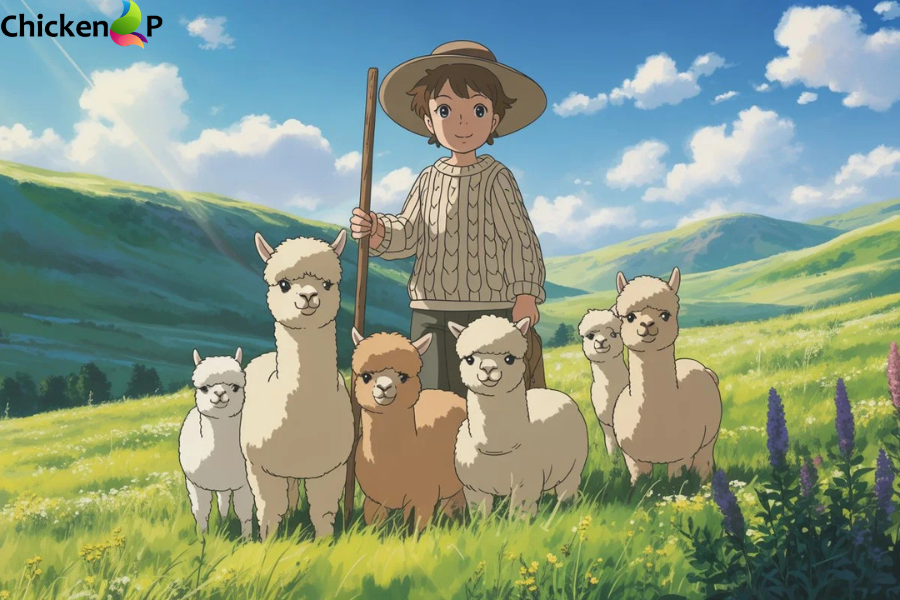
Artists, writers, and designers often gravitate toward whimsical phrases that spark imagination. The phrase hitsujikai arupaka could easily inspire:
Character concepts in fantasy fiction
Mascot designs for brands
Illustrated children’s books
Anime-inspired storytelling
Soft aesthetic merchandise
Creative communities often adopt such phrases as usernames, digital art themes, or indie game concepts.
With the rise of anime-inspired art on platforms like DeviantArt, imaginative combinations like hitsujikai arupaka fit seamlessly into visual culture.
Linguistic Appeal and SEO Interest
From a search perspective, hitsujikai arupaka carries uniqueness. It is uncommon, distinct, and highly specific.
This makes it:
Memorable
Searchable
Brandable
Intriguing
Unique keyword phrases often attract informational search intent. People want definitions, origins, and explanations.
Because the phrase is rare, it provides an opportunity for high topical authority in niche content. Websites covering Japanese language learning, anime culture, or kawaii aesthetics can naturally integrate hitsujikai arupaka into their content strategy.
For example, linking internally to related articles like “Understanding Japanese Animal Names” or “Popular Japanese Cultural Symbols” strengthens site structure and SEO relevance.
Externally, authoritative sources such as Japan National Tourism Organization provide cultural context about Japan’s fascination with animal-themed attractions and mascots.
The Broader Trend of Animal-Based Symbolism in Japan
Japan has a long tradition of animal symbolism. Foxes, cranes, cats, and rabbits frequently appear in folklore.
The alpaca, while not native to Japan, has become a modern cultural icon. Alpaca farms in regions like Nasu have attracted tourists due to their charm and photogenic appeal.
Animal symbolism also extends into media. For example, Aggretsuko uses an anthropomorphic red panda to explore workplace stress and emotional identity.
In that environment, hitsujikai arupaka feels like a natural extension of Japan’s creative anthropomorphic tradition.
Is Hitsujikai Arupaka a Brand, Character, or Concept?
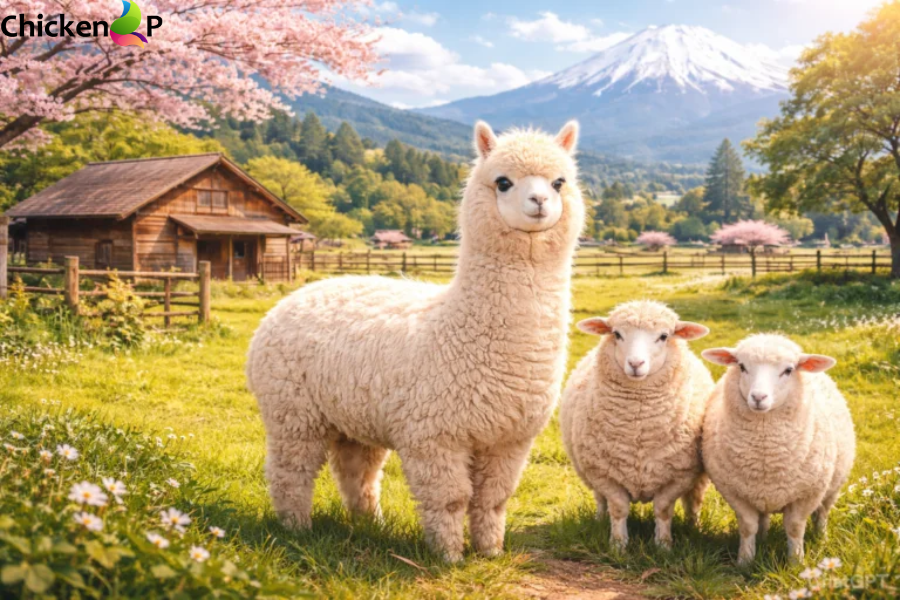
Currently, hitsujikai arupaka does not appear to be a mainstream registered brand or globally recognized character. However, its structure makes it ideal for:
A light novel title
An indie game protagonist
A VTuber persona
A mascot character
A soft fashion brand
Japanese naming conventions frequently combine poetic roles and animal names. The flexibility of hitsujikai arupaka leaves room for creative ownership.
Entrepreneurs exploring kawaii branding or anime-inspired products may find the phrase particularly attractive due to its uniqueness and emotional softness.
Conclusion
The term hitsujikai arupaka is a fascinating blend of language, symbolism, and cultural imagination. By combining the shepherd archetype with the soft charm of an alpaca, it creates an image that feels both nurturing and whimsical.
Whether interpreted literally, metaphorically, or creatively, hitsujikai resonates because it balances responsibility with gentleness. It aligns with Japanese storytelling traditions, modern kawaii aesthetics, and the global fascination with animal symbolism.
For language enthusiasts, anime fans, and creators alike, hitsujikai represents more than just a phrase. It symbolizes how language can merge unexpected elements to create something emotionally compelling.
As interest grows in Japanese cultural expressions and niche keyword exploration, hitsujikai stands out as a unique concept ready to inspire stories, brands, and digital creativity.
Frequently Asked Questions About Hitsujikai Arupaka
What does hitsujikai arupaka mean?
Hitsujikai arupaka combines two Japanese words. “Hitsujikai” means shepherd, and “arupaka” means alpaca. Together, the phrase suggests a shepherd alpaca or alpaca shepherd, possibly symbolic rather than literal.
Is hitsujikai arupaka from an anime?
There is no widely known mainstream anime titled hitsujikai arupaka. However, similar poetic naming styles are common in Japanese anime and visual novels.
Why is hitsujikai arupaka popular online?
Its uniqueness, kawaii appeal, and symbolic contrast between shepherd and alpaca make it intriguing. Rare phrases often attract curiosity and search interest.
Can hitsujikai arupaka be used as a brand name?
Yes, the phrase is distinctive and emotionally appealing, making it suitable for creative branding, character design, or storytelling projects.
Is hitsujikai arupaka culturally significant in Japan?
While not traditionally significant, the components of the phrase align with Japan’s strong tradition of animal symbolism and poetic naming conventions and more.