
Media players are an essential part of everyday computer use. Whether someone is watching movies, reviewing tutorials, or analyzing media files, a reliable player makes the experience smoother. One of the most powerful yet lightweight players available today is Media Player Classic – Home Cinema (MPC-HC). Many users love it because of its performance, customization, and keyboard shortcut control.
If you often use keyboard shortcuts, you may eventually want to learn how to crteate a custom new command key in mpc-hc64.exe. Custom command keys allow you to control playback faster without clicking through menus. With the right configuration, you can create shortcuts that improve productivity and make media control effortless.
Understanding how to crteate a custom new command key in mpc-hc64.exe is especially useful for advanced users, video editors, content reviewers, and even casual viewers who prefer keyboard control over mouse navigation. This guide explains the process in detail, including configuration steps, practical examples, troubleshooting tips, and best practices.
By the end of this article, you will have a complete understanding of how to crteate a custom new command key in mpc-hc64.exe and how to tailor the player to your workflow.
Understanding MPC-HC and Its Keyboard Customization
Before diving into how to crteate a custom new command key in mpc-hc64.exe, it helps to understand how MPC-HC works.
MPC-HC is an open-source media player originally developed as a lightweight alternative to heavier players. Even though development slowed for a while, it remains popular because of its speed, codec support, and customization options.
One of its most useful features is keyboard command mapping. This system allows users to assign keyboard keys to specific actions such as pausing, jumping forward, changing subtitles, or adjusting playback speed.
When learning how to crteate a custom new command key in mpc-hc64.exe, you are essentially modifying the player’s command mapping so that a specific key or key combination performs an action.
For example, instead of clicking a menu option to change subtitles, you can press a key combination instantly.
Official documentation for MPC-HC and similar projects can be explored on trusted sources like the GitHub repository for Media Player Classic or technical documentation sites related to media playback tools.
External reference
https://github.com/clsid2/mpc-hc
Why Create Custom Command Keys in MPC-HC64
Learning how to crteate a custom new command key in mpc-hc64.exe is useful for several reasons.
First, it significantly speeds up navigation. When watching long videos, keyboard shortcuts allow instant access to controls without interrupting playback.
Second, it improves accessibility. Some users find keyboard navigation easier than mouse control.
Third, advanced users can create personalized workflows. For example, content reviewers might assign shortcuts for frame stepping or quick screenshot capture.
Understanding how to crteate a custom new command key in mpc-hc64.exe also helps gamers, streamers, and video analysts who frequently pause, skip, or rewind media during review sessions.
Preparing MPC-HC64 for Custom Shortcut Configuration
Before learning how to crteate a custom new command key in mpc-hc64.exe, ensure your player is properly installed.
You should have the 64-bit version of Media Player Classic Home Cinema installed. This version is typically named mpc-hc64.exe.
Once installed, launch the application.
Open the main window and verify that the player is working correctly. Make sure you can open media files and navigate through menus.
The keyboard customization system is located in the Options menu, which contains all configuration tools.
Understanding this interface will make it easier to follow the steps involved in how to crteate a custom new command key in mpc-hc64.exe.
Accessing the Command Configuration Panel
To begin the process of how to crteate a custom new command key in mpc-hc64.exe, open the command settings panel.
Launch MPC-HC64 and click the View menu at the top of the application.
Select Options from the dropdown menu.
A configuration window will appear with multiple sections on the left side.
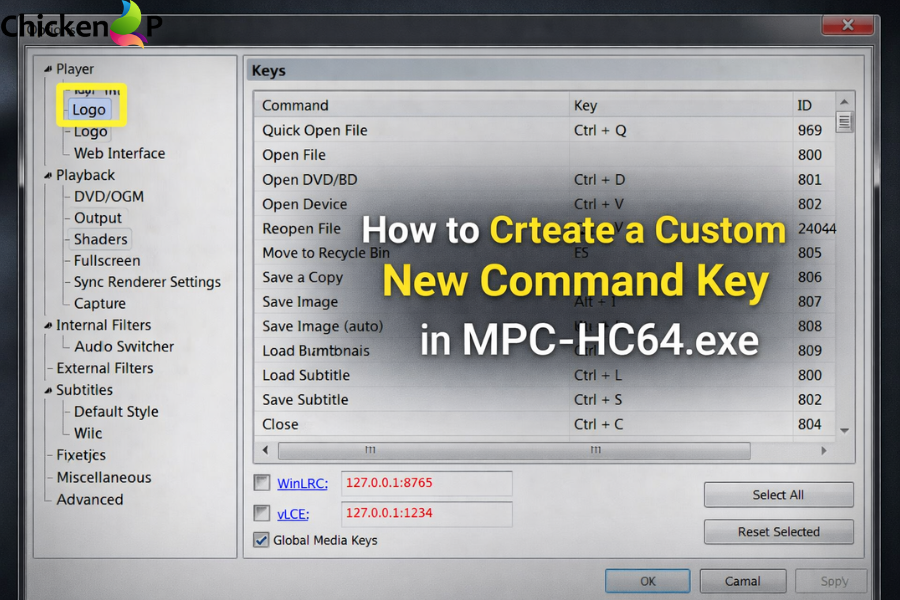
Navigate to the Player category and locate Keys.
The Keys section displays every command available in the player along with the currently assigned keyboard shortcut.
This area is where you will complete the process of how to crteate a custom new command key in mpc-hc64.exe.
How to Assign a Custom Command Key
Now that you are inside the keyboard configuration panel, you can start assigning shortcuts.
Scroll through the list of available commands. Each command corresponds to a player function such as play, pause, stop, volume control, subtitle toggle, and frame stepping.
Select the command you want to customize.
Click inside the shortcut field.
Press the key or key combination you want to assign.
The player will automatically detect the keyboard input.
Once the key is displayed in the field, click Apply or OK to confirm the change.
This process completes the basic procedure of how to crteate a custom new command key in mpc-hc64.exe.
Practical Examples of Custom Keyboard Commands
To better understand how to crteate a custom new command key in mpc-hc64.exe, it helps to explore real examples.
Imagine you frequently take screenshots from videos. Instead of navigating through menus, you can assign a dedicated key.
Choose the Save Image command in the keys menu.
Assign a shortcut such as Ctrl + Shift + S.
Now whenever you press this combination, MPC-HC instantly saves a frame.
Another useful example involves playback speed control. Some users assign shortcuts to increase or decrease speed when watching tutorials or lectures.
These practical uses demonstrate how powerful the process of how to crteate a custom new command key in mpc-hc64.exe can be.
Avoiding Shortcut Conflicts
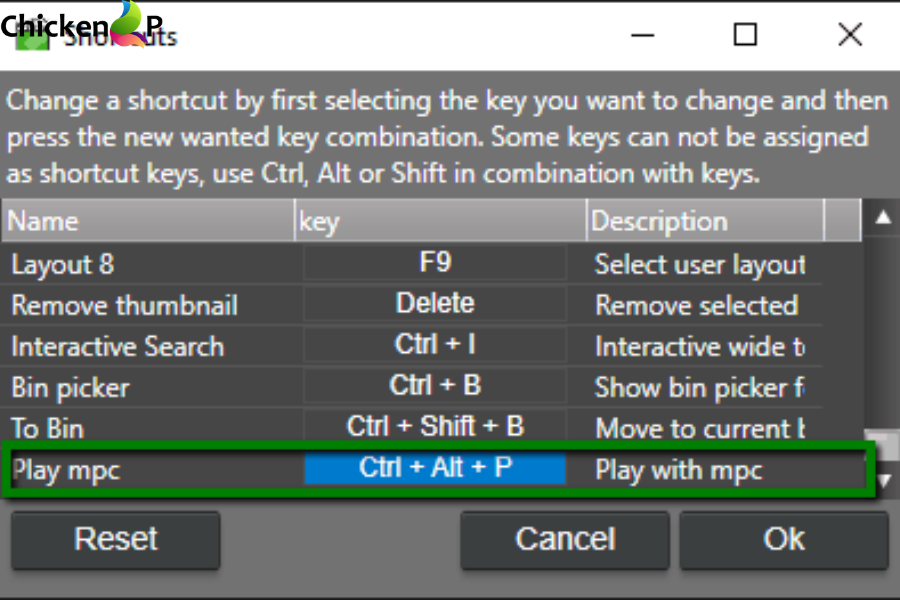
While learning how to crteate a custom new command key in mpc-hc64.exe, it is important to avoid duplicate shortcuts.
If two commands share the same key combination, one of them may not work correctly.
MPC-HC usually warns users when a conflict occurs.
If you see a warning message, choose a different key combination.
Using modifier keys such as Ctrl, Alt, or Shift helps prevent conflicts.
Good shortcut planning makes the system easier to remember and ensures that how to crteate a custom new command key in mpc-hc64.exe works reliably.
Advanced Customization Techniques
After mastering the basics of how to crteate a custom new command key in mpc-hc64.exe, you can explore advanced configurations.
Some users create shortcuts for frame-by-frame playback. This is extremely helpful when analyzing video clips or editing content.
Others create quick navigation commands that jump forward or backward by specific time intervals.
You can also customize subtitle switching shortcuts if you frequently watch multilingual content.
By experimenting with these advanced features, you can unlock the full potential of how to crteate a custom new command key in mpc-hc64.exe.
Saving and Backing Up Your Settings
Another important step when learning how to crteate a custom new command key in mpc-hc64.exe is backing up your configuration.
MPC-HC stores settings in configuration files inside the program directory or user profile.
If you reinstall Windows or move the player to another computer, exporting these settings allows you to keep your custom shortcuts.
Many experienced users copy the configuration file to cloud storage or a backup drive.
This ensures that the work spent learning how to crteate a custom new command key in mpc-hc64.exe is not lost.
Troubleshooting Shortcut Issues
Sometimes shortcuts may not work as expected.
If you encounter problems while practicing how to crteate a custom new command key in mpc-hc64.exe, check a few things.
Ensure the shortcut is not used by another command.
Confirm the key combination is not blocked by Windows or another application.
Also verify that MPC-HC is the active window when pressing the shortcut.
If necessary, reset the command mapping to default and try assigning the key again.
These troubleshooting methods usually solve issues related to how to crteate a custom new command key in mpc-hc64.exe.
Best Practices for Keyboard Shortcut Design
When implementing how to crteate a custom new command key in mpc-hc64.exe, thoughtful shortcut design improves usability.
Choose keys that are easy to reach.
Group related commands using similar combinations.
For example, playback navigation commands might use arrow keys combined with modifier keys.
Avoid overly complex shortcuts that are difficult to remember.
Well-designed shortcuts make the process of how to crteate a custom new command key in mpc-hc64.exe far more efficient and enjoyable.
Conclusion
Media Player Classic Home Cinema remains one of the most customizable media players available. Its lightweight design, powerful codec support, and extensive keyboard control system make it ideal for both casual viewers and advanced users.
Learning how to crteate a custom new command key in mpc-hc64.exe gives you complete control over the player. Instead of navigating menus repeatedly, you can trigger commands instantly with personalized shortcuts.
From basic playback controls to advanced frame analysis, custom command keys transform the way you interact with media files.
By following the methods explained in this guide, anyone can master how to crteate a custom new command key in mpc-hc64.exe and build a media player environment that perfectly fits their workflow.
FAQ
How do I open keyboard shortcut settings in MPC-HC?
Open MPC-HC, click the View menu, select Options, then navigate to Player → Keys. This section contains all keyboard command mappings.
Can I assign multiple shortcuts to the same command?
Yes. MPC-HC allows multiple key combinations for the same command. However, avoid assigning the same shortcut to different commands to prevent conflicts.
What happens if two commands use the same shortcut?
If two commands share the same key combination, one command may override the other. The player usually warns about this conflict during configuration.
Are custom command keys saved permanently?
Yes. Once configured, the shortcuts remain saved in MPC-HC settings unless you reset the configuration or reinstall the application.
Is MPC-HC still safe and reliable to use?
Yes. MPC-HC is open-source and widely trusted. Always download it from reputable sources such as its official GitHub repository and more.