
Media players are one of the most commonly used software tools on a computer, and many users rely on keyboard shortcuts to control playback efficiently. If you regularly use Media Player Classic Home Cinema, you may want to customize shortcuts to speed up tasks like pausing, skipping, adjusting volume, or enabling subtitles. Understanding how to crteate a new command key in mpc-hc64.exe can significantly improve your viewing experience by allowing you to control the player exactly the way you prefer.
Many users don’t realize that MPC-HC64.exe includes a powerful built-in hotkey configuration system. This means you can assign new keyboard commands to different functions within the media player without installing extra software. Learning how to crteate a new command key in mpc-hc64.exe allows you to personalize the player, automate repetitive actions, and make media playback smoother.
Whether you are a casual user watching movies or an advanced user managing media libraries, customizing command keys in MPC-HC can make your workflow much faster. This guide explains everything you need to know about how to crteate a new command key in mpc-hc64.exe, including configuration steps, customization ideas, troubleshooting tips, and advanced usage strategies.
Understanding MPC-HC64.exe and Its Command System
Before diving into how to crteate a new command key in mpc-hc64.exe, it helps to understand what the application is and how it works.
Media Player Classic Home Cinema (MPC-HC) is a lightweight, open-source media player for Windows. It is widely appreciated for its simplicity, powerful playback features, and minimal system resource usage. The executable file mpc-hc64.exe is the 64-bit version of the application designed for modern Windows systems.
One of the most powerful features of the player is its command system. Almost every action in MPC-HC can be triggered by a keyboard command. These actions include playback controls, audio adjustments, subtitle toggles, navigation commands, and interface changes.
Because of this flexible design, users can customize keyboard shortcuts easily. Learning how to crteate a new command key in mpc-hc64.exe gives you the ability to replace default shortcuts or create entirely new ones for faster control.
This feature is particularly useful if you prefer keyboard navigation instead of using a mouse. Many advanced users even build custom key layouts optimized for watching movies, editing subtitles, or managing playlists.
You can learn more about the player itself on the official project repository hosted on GitHub:
https://github.com/clsid2/mpc-hc
Why You Should Create Custom Command Keys in MPC-HC64.exe
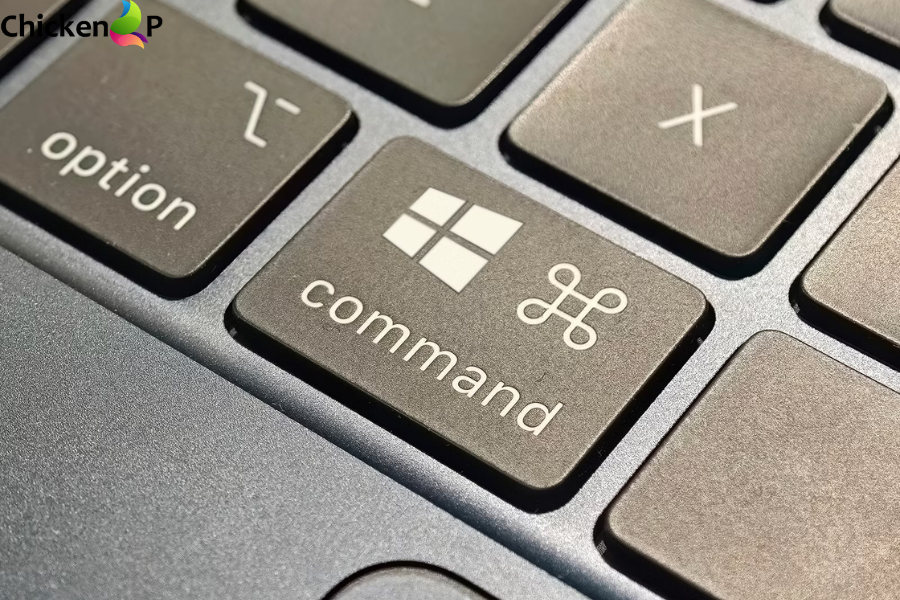
Understanding how to crteate a new command key in mpc-hc64.exe is not just about customization. It also improves usability and efficiency.
Many default keyboard shortcuts in media players may not suit every user. Some users prefer single-key shortcuts, while others prefer combinations like Ctrl or Alt with another key.
Custom command keys provide several advantages.
They allow faster media navigation, especially when skipping forward or backward in videos. They make accessibility easier for users who rely heavily on keyboard input. They also allow gamers or streamers to control playback without switching windows frequently.
For example, you might want a single key to toggle subtitles or instantly increase playback speed. Instead of searching through menus, a custom command key can perform the action instantly.
When you learn how to crteate a new command key in mpc-hc64.exe, you unlock a much more flexible and personalized media experience.
How to Crteate a New Command Key in MPC-HC64.exe
If you want to understand how to crteate a new command key in mpc-hc64.exe, the process is actually simple and built directly into the player settings.
Start by opening Media Player Classic Home Cinema. Once the program launches, navigate to the top menu bar and select the options panel. The settings window contains many configuration sections that control player behavior.
Inside the options menu, locate the Keys section. This area displays a complete list of commands currently assigned to keyboard shortcuts.
Each command corresponds to a specific action in the player. Examples include play, pause, stop, frame step, volume up, subtitle toggle, and fullscreen mode.
To create a new command key, select the action you want to customize. Once selected, click the edit option that allows you to assign a new key combination.
Press the keyboard key or combination you want to use for that action. The player will automatically register the key and assign it to the selected command.
After saving the configuration, the new command key becomes active immediately. From this point forward, pressing that key will trigger the associated action in MPC-HC.
This process demonstrates the basic method for how to crteate a new command key in mpc-hc64.exe and can be repeated for any command supported by the player.
Customizing Playback Controls with Command Keys
Many users learning how to crteate a new command key in mpc-hc64.exe start by customizing playback controls.
Playback commands are among the most frequently used functions in any media player. Assigning convenient shortcuts can save time and make watching videos more enjoyable.
For example, some users prefer using the space bar for play and pause. Others prefer keys like K, J, or L for video navigation similar to editing software.
You can also create shortcuts for skipping forward or backward by specific time intervals. This is useful when watching tutorials or reviewing recorded gameplay.
Another common customization involves adjusting playback speed. By assigning command keys to speed controls, you can quickly speed up lectures or slow down complex scenes.
Understanding how to crteate a new command key in mpc-hc64.exe makes these adjustments extremely easy and allows you to tailor playback controls exactly to your preferences.
Advanced Command Key Customization
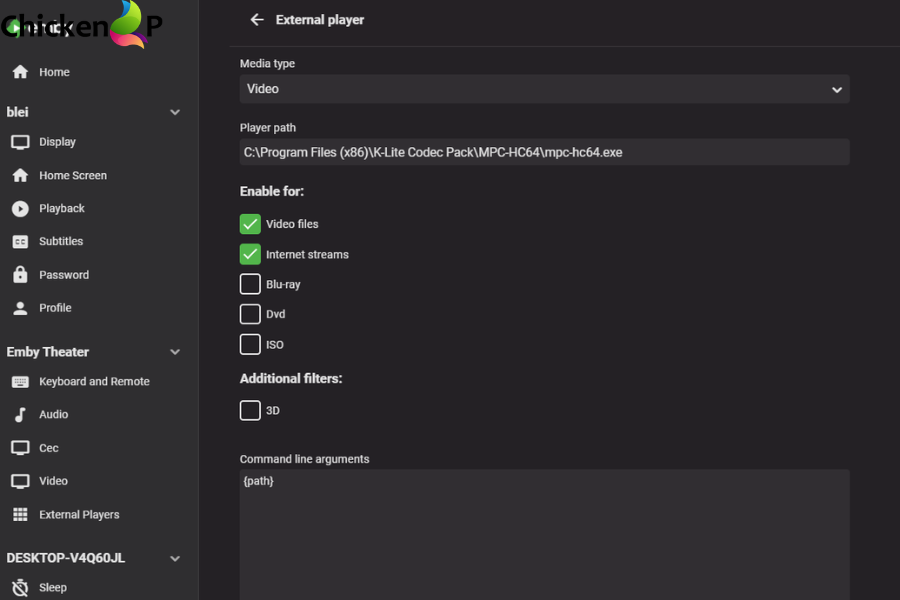
Once you understand the basics of how to crteate a new command key in mpc-hc64.exe, you can explore more advanced customization features.
MPC-HC includes hundreds of commands that can be assigned to keyboard shortcuts. These commands control almost every aspect of playback and interface behavior.
Advanced users often create shortcuts for subtitle management. This includes toggling subtitles, switching subtitle tracks, or adjusting subtitle delay.
Another powerful feature involves audio track switching. If you frequently watch movies with multiple language tracks, assigning command keys to audio switching can make the process much faster.
Some users even create custom shortcuts for screen capture or frame stepping. These commands allow precise navigation through video frames, which can be useful for editing or analysis.
Learning advanced techniques for how to crteate a new command key in mpc-hc64.exe allows you to transform MPC-HC into a highly efficient multimedia tool.
Troubleshooting Command Key Issues
While learning how to crteate a new command key in mpc-hc64.exe, you may occasionally encounter issues where shortcuts do not work correctly.
One common problem occurs when a key is already assigned to another command. In this case, the player may warn you about duplicate shortcuts.
Another issue occurs when external applications intercept keyboard inputs. For example, screen recording tools or overlay software may override certain key combinations.
If your command key does not work, checking the key assignments list in the options menu can help identify conflicts.
You should also ensure that the MPC-HC window is active when using shortcuts. Some commands only work when the player window is selected.
Understanding these troubleshooting steps ensures that your custom command keys function properly.
Best Practices for Creating Command Keys
When exploring how to crteate a new command key in mpc-hc64.exe, it helps to follow a few best practices to keep your shortcuts organized.
Choosing intuitive keys makes it easier to remember commands. For example, using S for subtitles or F for fullscreen keeps shortcuts logical.
Avoid assigning too many commands to similar key combinations, as this can create confusion.
Some users maintain a simple keyboard layout where playback controls are clustered around the same area of the keyboard. This makes navigation easier without looking at the keyboard.
Saving your settings after changes is also important. MPC-HC stores configuration data so that your custom shortcuts remain active even after restarting the application.
Following these strategies ensures that your custom command system remains efficient and easy to use.
Security and Reliability Considerations
When working with executable files like mpc-hc64.exe, it is important to download the application from trusted sources.
The safest option is downloading the player from the official project page or GitHub repository. This ensures the file has not been modified or bundled with malicious software.
Learning how to crteate a new command key in mpc-hc64.exe does not require modifying the executable file itself. All customization happens within the program settings, which keeps the system safe.
Following trusted download practices and keeping software updated ensures a secure and stable media playback experience.
Conclusion
Learning how to crteate a new command key in mpc-hc64.exe is one of the easiest ways to improve your experience with Media Player Classic Home Cinema. The player’s flexible hotkey system allows users to assign custom keyboard shortcuts for nearly every action.
By configuring personalized command keys, you can control playback faster, simplify navigation, and tailor the interface to your workflow. Whether you want quick access to subtitles, audio tracks, playback speed, or fullscreen mode, custom shortcuts make everything more efficient.
The process is straightforward and built directly into the program’s settings, meaning anyone can customize their shortcuts without technical knowledge. Once you understand how to crteate a new command key in mpc-hc64.exe, you gain full control over how the player responds to your keyboard.
With a bit of experimentation, you can build a shortcut system that matches your habits and transforms MPC-HC into a powerful and personalized media player.
FAQ
What is MPC-HC64.exe?
MPC-HC64.exe is the 64-bit executable file for Media Player Classic Home Cinema, a lightweight open-source media player for Windows designed to play video and audio files efficiently.
Can I create multiple command keys in MPC-HC?
Yes. MPC-HC allows users to assign custom shortcuts to many different commands. You can create multiple command keys for playback controls, subtitle management, audio switching, and more.
Why is my custom command key not working?
A command key may not work if the key is already assigned to another command or if another application is intercepting the keyboard shortcut. Checking the key settings in the MPC-HC options menu usually resolves the issue.
Do I need programming knowledge to create command keys?
No. Creating command keys in MPC-HC does not require programming. All customization can be done through the built-in settings panel of the player.
Is MPC-HC safe to use?
Yes, MPC-HC is safe when downloaded from official sources such as its GitHub repository. It is widely used and trusted by many users because it is open-source and lightweight and more.