
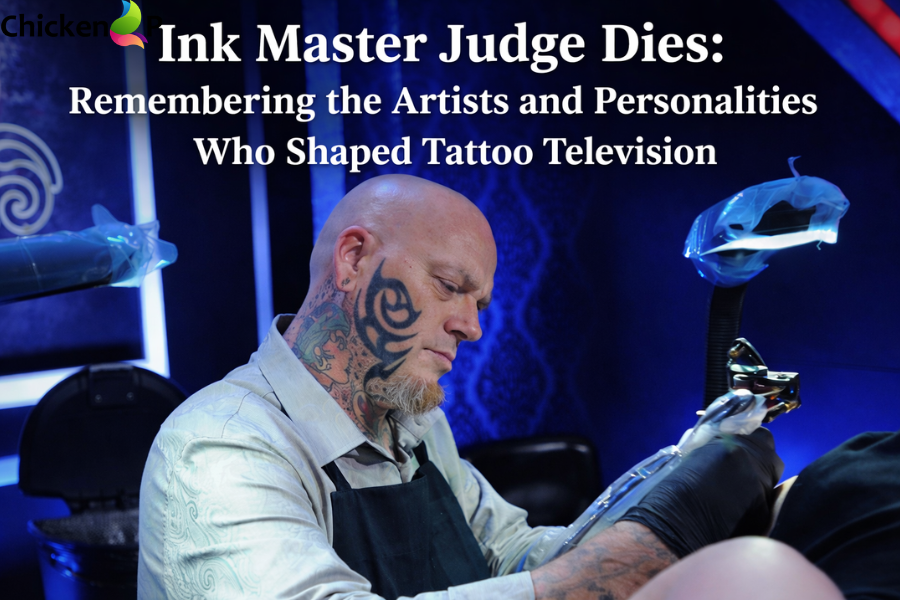

The neon buzz of a tattoo machine, the smell of green soap and antiseptic, the tense silence before a critique—this was the world that millions of viewers entered weekly when they tuned into Ink Master. The reality competition didn’t just showcase technical skill; it created household names out of underground artists and the judges who evaluated them. So when news breaks that an Ink Master judge dies, it sends shockwaves far beyond the television screen. It touches a global community of artists, collectors, and fans who found inspiration in these authoritative voices.
The relationship between a television personality and their audience is peculiarly intimate. We invite these judges into our living rooms, we trust their expertise, we celebrate their triumphs and feel their disappointments. When tragedy strikes and an Ink Master judge dies, it forces us to confront the mortality of the figures we assumed would always be there, critiquing American Traditional lines and New School color saturation with eternal authority.
The Weight of Authority: What Made Ink Master Judges Different
Reality television has no shortage of expert judges. From cooking competitions to fashion design shows, authoritative figures critique hopeful contestants daily. Yet tattoo judging occupies a unique cultural space that makes the loss of these personalities particularly resonant. When an Ink Master judge dies, we lose more than a television character—we lose a guardian of artistic standards in a field that has fought for centuries to be recognized as legitimate fine art.
The judges on Ink Master weren’t selected merely for their camera presence or celebrity status. They represented different pillars of the tattoo community: the technical purist who could spot a shaky line from across the room, the artistic visionary who understood composition and flow, the cultural bridge who connected tattooing’s rebellious past with its mainstream present. Each brought decades of skin-in-the-game experience that couldn’t be faked or fast-tracked.
This authenticity created a bond with viewers that superficial television rarely achieves. Home audiences didn’t just watch these judges; they learned from them. Week after week, the critiques educated viewers about why certain tattoos worked and others failed. When an Ink Master judge dies, that educational legacy becomes suddenly finite. The episodes remain, but the possibility of new insights, new standards, new mentorship vanishes.
The Human Behind the Gavel: Understanding the Personal Impact
It’s easy to forget that television judges are human beings with families, struggles, and private lives extending far beyond the set. The production schedule of Ink Master was grueling—twelve to sixteen hour days, the pressure of live judging, the emotional weight of eliminating hopeful artists who had sacrificed everything for their shot. When we learn that an Ink Master judge dies, we often learn simultaneously about battles they fought privately while maintaining their public persona.
The tattoo community is famously tight-knit despite its competitive nature. Artists who compete against each other on Monday often guest spot in each other’s shops on Tuesday. Judges frequently maintained relationships with contestants long after seasons ended, mentoring careers, attending weddings, memorializing lost friends together. This means that when an Ink Master judge dies, the grief ripples through a network of personal connections that span the globe.
Social media has transformed how we process these losses. Where once fans might read an obituary in a newspaper, today they witness real-time mourning from those who knew the deceased intimately. Fellow judges post tribute photos from behind the scenes. Former contestants share stories of kindness that never made the air. Shop apprentices recall chance encounters that changed their artistic direction. The digital memorial creates a collective space where the impact of an Ink Master judge dies becomes visible in its full scope.
The Show Must Go On: Production Realities After Loss
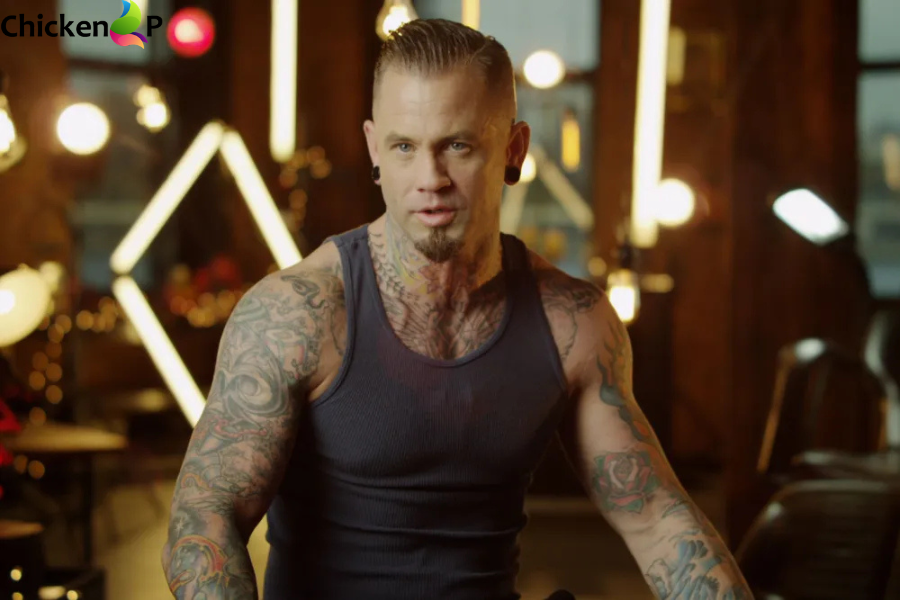
Television production is a machine that rarely pauses for sentiment. When an Ink Master judge dies, the network faces immediate practical challenges alongside emotional ones. Seasons may be in various stages of production—some episodes fully edited, others still being filmed, future seasons in development. The absence of a key personality forces difficult decisions about how to proceed while respecting the deceased.
Viewers often don’t realize how integral a judge’s personality is to the show’s rhythm. The banter between panel members, the running jokes, the specific way each judge delivered criticism—these elements create the show’s unique texture. Replacing a judge isn’t simply about finding another qualified artist; it’s about rebuilding chemistry and reestablishing the show’s voice. When an Ink Master judge dies, the remaining cast must navigate their own grief while maintaining the professional consistency audiences expect.
Some productions choose to address the loss directly, dedicating episodes or seasons to the memory of the fallen judge. Others maintain a more private approach, allowing the work to speak for itself. Neither choice is objectively correct; both reflect different philosophies about the relationship between entertainment and mortality. What remains consistent is the challenge of honoring reality while producing reality television.
The Legacy in Skin: How Tattoo Artists Honor Fallen Judges
Tattooing has always been a medium of memorial. From ancient tribal markings commemorating ancestors to modern portrait tattoos of lost loved ones, the art form exists partly to make permanent what time would erase. When an Ink Master judge dies, the community responds in the only language that truly makes sense—it creates art.
Memorial tattoos begin appearing almost immediately. Fellow judges might get pieces from the deceased’s portfolio style. Contestants from past seasons return to the artists who eliminated them, asking for designs that incorporate the judge’s catchphrases or signature aesthetic elements. Fans who never met the judge personally commission portraits or symbolic pieces that represent what that personality meant to their own relationship with tattooing.
These memorials serve multiple functions. They process grief through creation, transforming pain into beauty. They create physical reminders that keep the judge’s influence present and visible. They connect the community in shared ritual, as artists post their memorial work and others respond with stories and appreciation. When an Ink Master judge dies, the resulting artwork becomes a distributed monument, existing not in one location but across thousands of skins worldwide.
The Critical Voice Silenced: What We Lose Beyond the Personality
Every judge on Ink Master developed specific areas of expertise that informed their critiques. One might have unparalleled knowledge of Japanese tebori techniques. Another might have pioneered specific approaches to color theory in tattooing. A third might have deep historical knowledge of tattooing’s role in various subcultures. When an Ink Master judge dies, that specific expertise disappears from popular discourse.
This loss extends to the contestants who might have benefited from that knowledge in future seasons. Aspiring artists who grew up watching the show often cite specific critiques as transformative moments in their understanding of the craft. “I never considered negative space until Judge X explained it that way,” becomes a common refrain in shop conversations. The educational impact of the show was cumulative, with each judge contributing unique lessons that built comprehensive understanding.
The tattoo industry also loses a public advocate. Ink Master judges frequently used their platform to address health and safety standards, to advocate for artist rights, to challenge stereotypes about tattooed individuals. They lent credibility to an art form still fighting for full social acceptance. When an Ink Master judge dies, that advocacy voice falls silent, and the community must find new champions to fill the void.
The Audience’s Journey: Processing Grief for a Public Figure
Psychologists have studied the phenomenon of grief for public figures extensively. The death of someone we know only through media creates a specific type of mourning—one that society sometimes dismisses as illegitimate because we lacked personal relationship with the deceased. Yet the feelings are real, the sense of loss genuine, the disruption of our narrative expectations significant.
When an Ink Master judge dies, regular viewers experience several layers of processing. There’s the immediate shock, often delivered through push notifications or social media posts that interrupt ordinary days. There’s the retrospective viewing, where old episodes take on new emotional weight as we watch someone who we now know has passed. There’s the community aspect, finding others who shared our appreciation and can validate our sadness.
For many fans, these judges represented entry points into tattoo culture. Perhaps a viewer started watching casually and developed genuine appreciation for the art form through the judges’ explanations. Perhaps someone considering their first tattoo felt more confident after hearing safety discussions on the show. Perhaps a parent better understood their child’s career choice after seeing the professionalism these judges embodied. When an Ink Master judge dies, these viewers lose a guide who helped navigate unfamiliar territory.
The Archive of Excellence: How Digital Preservation Maintains Influence
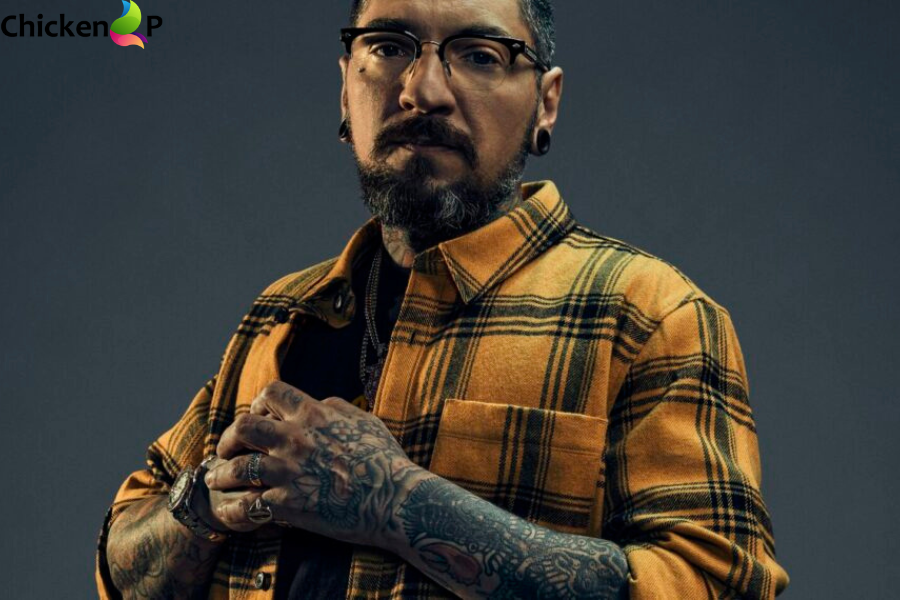
We live in an era where television never truly ends. Streaming platforms keep shows available indefinitely, allowing new audiences to discover past seasons years after original airing. This creates an unusual temporal relationship with media personalities—they remain perpetually present in their work even after they have passed away.
When an Ink Master judge dies, their digital presence persists with particular intensity. New viewers discovering the show for the first time watch the judge critique tattoos, eliminate contestants, celebrate champions—unaware as they watch that the person on screen is no longer living. This creates a strange immortality, where the judge continues performing their role for audiences who will never have the opportunity to see them in person or follow their current work.
For the tattoo community, this archive serves educational purposes that outlast the individual. Future artists will study these critiques to understand standards of the era. Historians will analyze the show’s representation of tattooing’s mainstreaming. The judge’s voice, frozen in digital amber, continues teaching and influencing long after their physical presence has ended. When an Ink Master judge dies, their expertise enters a different phase of existence—no longer evolving, but permanently preserved at its final point of development.
The Ripple Effect: Industry Changes Following Loss
The death of a prominent figure often catalyzes broader conversations within their field. Memorial funds are established to support causes they championed. Safety protocols they advocated for become standard practice. Their artistic techniques are studied and preserved by apprentices continuing their lineage. When an Ink Master judge dies, the tattoo industry frequently experiences these ripple effects.
Artistic movements may shift as remaining artists respond to the absence. If the deceased judge was particularly associated with a specific style—say, photorealistic black and grey or traditional Japanese work—you might see renewed interest in preserving that approach, or conversely, a move away from it as artists seek to establish distinct identities. The judge’s shop, if they maintained one, becomes a site of pilgrimage and preservation.
Educational institutions that the judge supported, whether formal apprenticeship programs or informal mentorship relationships, must adapt to continue without their direct involvement. The judge’s collection of work, both on skin and on paper, gains new significance as a complete body of work rather than an ongoing practice. When an Ink Master judge dies, their influence transforms from active participation to historical reference, a change that fundamentally alters how the community relates to their contribution.
The Future of Judging: Evolution After Tragedy
Television shows are living organisms that must adapt to survive. The loss of a key judge forces evolution, sometimes resulting in shows that differ significantly from their original conception. New judges bring different perspectives, different chemistry, different priorities. When an Ink Master judge dies, the show faces a choice: attempt to replicate what was lost, or embrace transformation.
Some productions choose to honor the deceased by maintaining the standards they established. The remaining judges become more vocal about principles their colleague championed. Challenge structures preserve tests that the deceased particularly valued. The show becomes, in part, a continuation of the judge’s legacy, a vessel for their values.
Other productions recognize that replacement is impossible and instead reimagine the show’s dynamic entirely. New judges aren’t asked to fill old shoes but to create new paths. The show evolves, acknowledging that the magic of the original ensemble was unique and unrepeatable. When an Ink Master judge dies, both approaches are valid responses to impossible circumstances, each carrying risks and potential rewards.
The Personal Becomes Permanent: Memorializing Through Ink
For those closest to the deceased—family, long-time friends, business partners—the public nature of television adds complexity to private grief. Their loss is simultaneously intimate and shared with millions. They navigate funeral arrangements while fielding media inquiries. They mourn personal memories while acknowledging public impact. When an Ink Master judge dies, these inner-circle relationships require protection even as the world demands information.
Many families of deceased television personalities eventually find comfort in the community’s embrace. Stories shared by fans demonstrate impact the family might not have fully recognized. Tribute art shows the breadth of creative influence. The judge’s role in popular culture becomes a source of pride that coexists with the pain of absence.
For the tattoo community specifically, these family members become keepers of legacy. They maintain the judge’s portfolio, preserve their unpublished designs, decide how artistic estates should be managed. Their choices shape how future generations will understand the judge’s work. When an Ink Master judge dies, the family’s role in curating memory becomes crucial to historical accuracy.
The Conversation Continues: Online Memorials and Community Healing
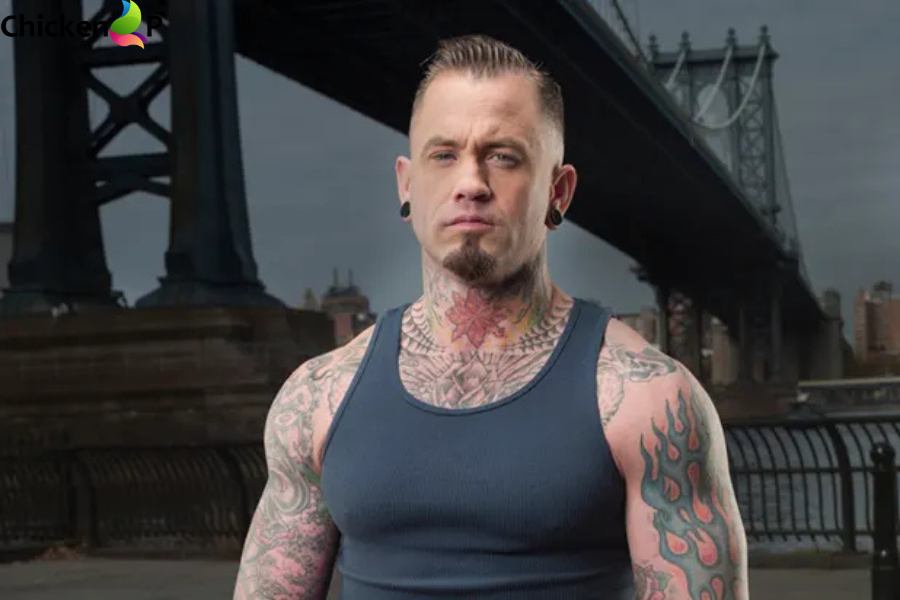
In the days and weeks following the news that an Ink Master judge dies, online spaces become vital centers of collective mourning. Official show accounts share tribute posts that accumulate thousands of comments. Fan groups organize virtual candlelight vigils. Artists livestream memorial tattoo sessions. The digital realm creates accessibility for global participation in grief.
These online memorials serve functions that traditional obituaries cannot. They are interactive, allowing two-way sharing of memories. They are multimedia, incorporating video clips, photographs, and audio recordings. They are persistent, remaining accessible for years as annual remembrances or for new fans discovering the show’s history. When an Ink Master judge dies, these digital spaces become living memorials that evolve as more people contribute their perspectives.
The moderation of these spaces requires care. Grief can manifest as anger, as denial, as conflicts between those who knew the deceased personally and those who knew them only through screens. Healthy communities establish norms that honor diverse relationships to the loss while protecting the dignity of the deceased and their loved ones. When an Ink Master judge dies, the quality of online discourse reflects the community’s maturity and compassion.
The Art Endures: Final Reflections on Impermanence and Legacy
Tattooing teaches us about permanence and change simultaneously. The ink remains, but the skin ages. The design stays fixed while the body transforms around it. This paradox mirrors our relationship with the artists who create the work and the judges who evaluate it. Their influence persists, but their presence does not.
When an Ink Master judge dies, we are reminded that expertise, authority, and personality are temporary conditions, even when they seem immutable on screen. The judge who seemed eternal in weekly episodes was, like all of us, navigating finite time. This recognition doesn’t diminish their impact; it intensifies our appreciation for the moments they shared with us.
The tattoo community understands transformation better than most. Cover-ups, blast-overs, and fading are accepted parts of the art form’s reality. Similarly, the community accepts that relationships with mentors and icons must evolve as circumstances change. When an Ink Master judge dies, the community applies this understanding—acknowledging the loss while continuing the work, honoring the past while creating the future.
The legacy of any great judge lives in the artists they influenced, the standards they established, the conversations they started. These continue regardless of individual mortality. Every artist who creates better work because of a critique they heard, every collector who makes a more informed choice because of safety information they learned, every viewer who developed respect for tattooing because of the show’s representation—these are the true monuments. When an Ink Master judge dies, these monuments remain standing, visible in shops and on skin across the world, testaments to the permanent impact of temporary lives.
Frequently Asked Questions
What happens to Ink Master when a judge passes away?
Production adjusts schedules, completes editing, and may restructure future seasons while honoring the deceased through dedicated episodes.
How do fellow judges and contestants typically respond to the death of an Ink Master judge?
They share personal tributes, behind-the-scenes memories, and organize memorial events and collaborative art projects.
Can viewers still watch episodes featuring a judge who has passed away?
Yes, all episodes remain available on streaming platforms for viewers to revisit.
What kind of memorial tattoos do people get for deceased Ink Master judges?
People get pieces in the judge’s signature style, portraits, or symbolic imagery from their catchphrases and favorite challenges.
How does the tattoo industry change after losing a prominent judge from Ink Master?
The industry renews focus on their championed causes, their shop becomes historical, and conversations about artist health often emerge and more.