
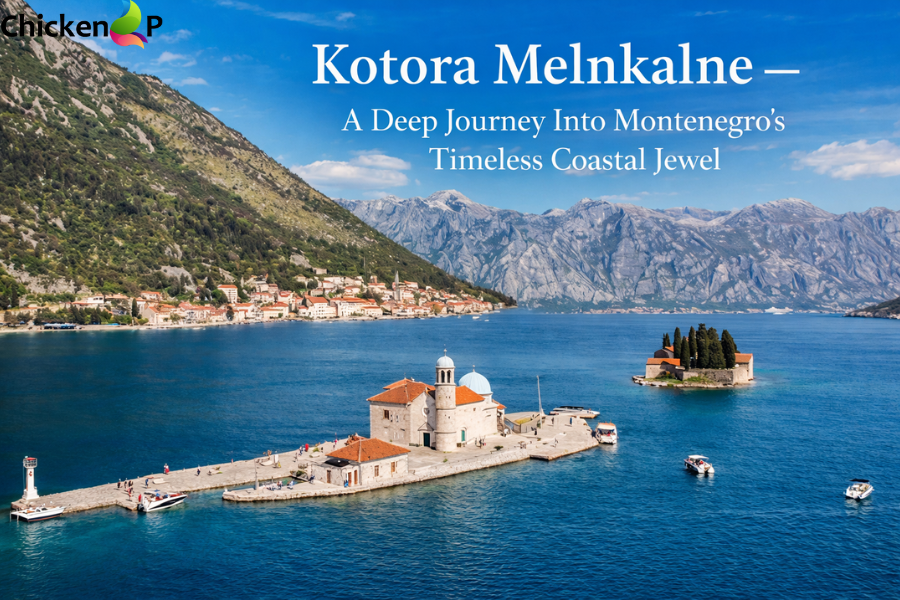

Kotora Melnkalne is more than a search term. It represents a place where stone walls meet deep blue water, where centuries of history still shape daily life, and where travelers come seeking authenticity rather than spectacle. Often used as a regional or phonetic variation for Kotor in Montenegro, the phrase kotora melnkalne reflects growing global curiosity about this Adriatic treasure and its cultural, historical, and travel significance.
This in-depth guide explores kotora melnkalne from every meaningful angle. You will discover its historical roots, cultural depth, natural beauty, modern tourism reality, and why it continues to rise as one of Europe’s most compelling destinations. Whether your intent is informational, travel planning, or cultural research, this article is designed to answer real questions with clarity, trust, and depth.
Understanding Kotora Melnkalne and Its Geographic Meaning
Kotora Melnkalne refers to the historic coastal town of Kotor, located in Montenegro, along the dramatic coastline of the Bay of Kotor. The wording melnkalne is commonly associated with regional language variations and international spellings of Montenegro, particularly in Eastern and Central European contexts.
What makes kotora melnkalne especially unique is its geographic position. The town is tucked between steep limestone mountains and calm, fjord-like waters, creating a natural fortress that has shaped its history for over a thousand years. This setting explains why Kotor was so strategically important and why it remains visually unforgettable today.
The Historical Depth That Defines Kotora Melnkalne
Kotora melnkalne is one of the oldest continuously inhabited towns on the Adriatic coast. Its recorded history dates back to Roman times, when it was known as Acruvium. Over the centuries, it passed through Byzantine, Venetian, Austrian, and Yugoslav rule, each era leaving visible marks on its architecture and culture.
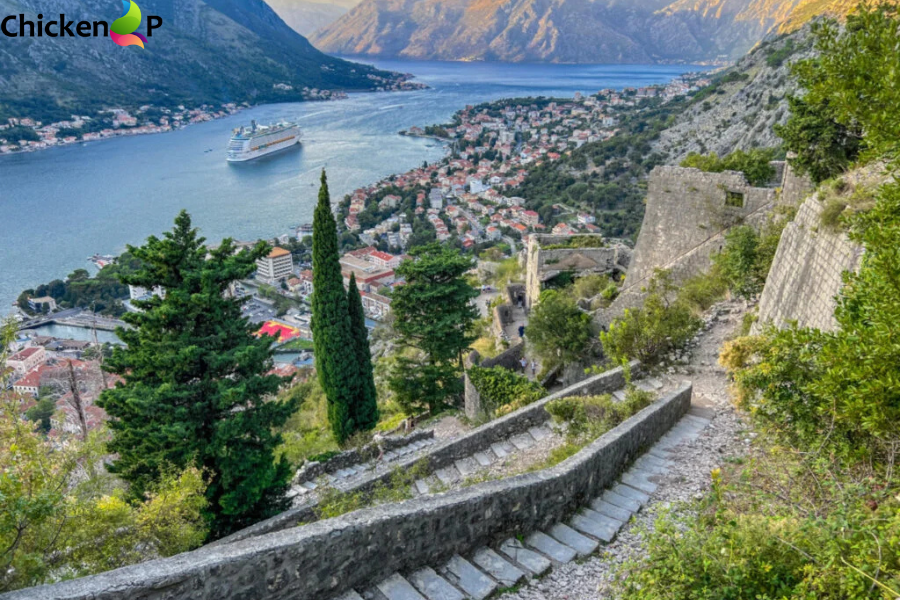
The Venetian period had the most lasting influence. Massive defensive walls, which still encircle the old town and climb the mountain behind it, were built to protect kotora melnkalne from Ottoman invasion. These walls stretch for several kilometers and rise dramatically above the town, symbolizing both resilience and strategic brilliance.
Walking through the old town today feels like moving through layers of time. Romanesque churches stand beside Venetian palaces, while narrow streets reveal courtyards that have barely changed in hundreds of years. This preservation is one reason kotora melnkalne was designated a UNESCO World Heritage Site, further cementing its global cultural importance.
Kotora Melnkalne as a Cultural Crossroads
Culture in kotora melnkalne is deeply shaped by maritime life. For centuries, the town produced skilled sailors, shipbuilders, and traders who traveled across the Mediterranean. This seafaring tradition influenced local customs, festivals, and even architecture, with noble families building ornate palaces funded by overseas trade.
Religious heritage also plays a major role. Catholic and Orthodox traditions coexist peacefully, reflected in churches, celebrations, and daily life. The Cathedral of Saint Tryphon, one of the most iconic landmarks of kotora melnkalne, stands as a symbol of this layered spiritual history and continues to host important ceremonies today.
Local music, food, and storytelling still carry traces of Venetian elegance blended with Balkan warmth. These cultural elements make kotora melnkalne feel authentic rather than staged, an increasingly rare quality in popular travel destinations.
Natural Beauty and Landscape Around Kotora Melnkalne
The natural environment surrounding kotora melnkalne is as important as its architecture. The Bay of Kotor is often described as Europe’s southernmost fjord, although technically it is a submerged river canyon. Regardless of classification, its beauty is undeniable.
Mountains rise sharply from the water, creating dramatic views at every turn. Morning light reflects softly across the bay, while evenings bring golden hues that transform the entire landscape. This harmony between land and sea has made kotora a favorite subject for photographers, painters, and filmmakers.
Beyond visual appeal, the area offers opportunities for hiking, boating, and quiet exploration. Trails above the town provide panoramic views that reveal why this location was once considered nearly impossible to conquer.
Tourism in Kotora Melnkalne Today
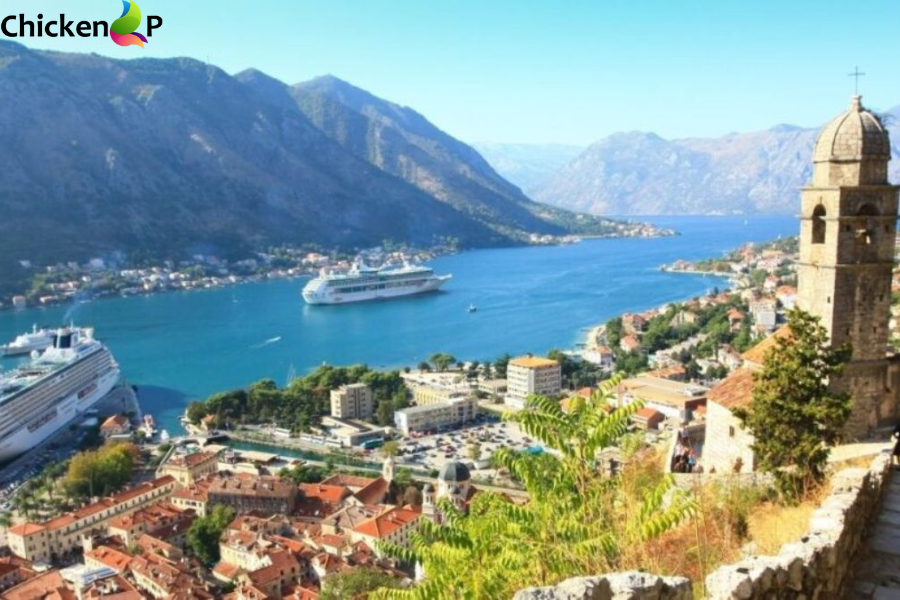
Modern tourism has brought both opportunity and challenge to melnkalne. Cruise ships regularly dock in the bay, bringing thousands of visitors eager to explore the old town. While this has boosted the local economy, it has also raised concerns about overcrowding and sustainability.
Despite this, kotora has managed to retain its character better than many comparable destinations. Early mornings and evenings still belong to locals, when the streets quiet down and the town returns to its authentic rhythm.
Travelers seeking meaningful experiences often choose to stay overnight rather than visit briefly. Doing so allows deeper engagement with the culture, cuisine, and natural surroundings that define kotora beyond its postcard image.
Local Life and Daily Rhythm in Kotora Melnkalne
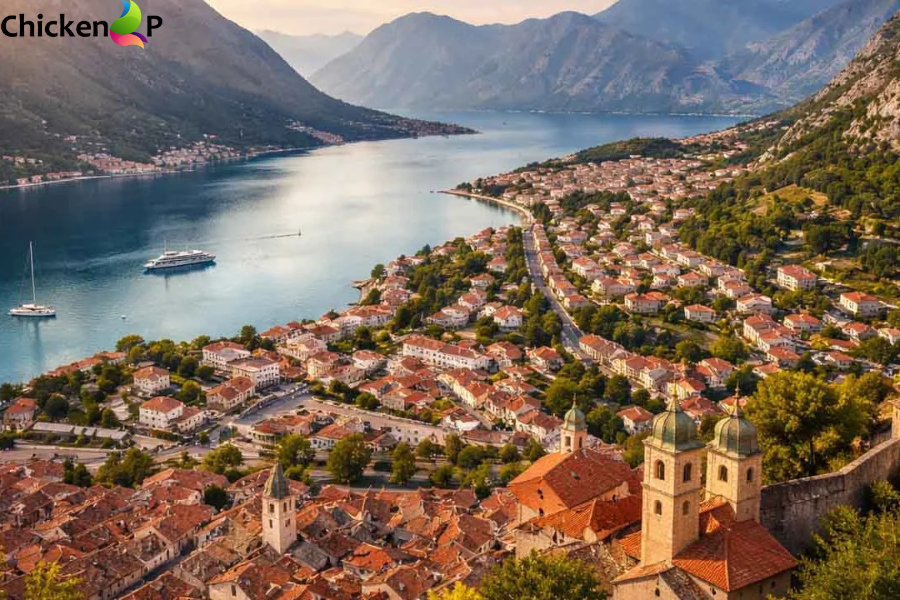
Daily life in kotora melnkalne moves at a pace shaped by tradition and geography. Locals gather in small squares for coffee, fishermen prepare their boats near the harbor, and church bells mark the passage of time rather than digital clocks.
This slower rhythm is one of the town’s greatest attractions. Visitors often remark that kotora encourages presence and observation rather than constant movement. It is a place where conversations matter, meals are unhurried, and history feels close enough to touch.
Even as tourism grows, many residents actively work to protect their town’s identity, ensuring that kotora remains a living community rather than an open-air museum.
Why Kotora Melnkalne Holds Global Appeal
Kotora melnkalne appeals to a wide range of travelers and researchers because it offers depth. History lovers find rich narratives spanning empires. Nature enthusiasts discover landscapes shaped by geological drama. Cultural explorers encounter traditions that have survived centuries of change.
This layered appeal aligns with modern travel trends focused on authenticity and learning. Rather than offering entertainment alone, kotora invites understanding. That invitation is what keeps people returning, both physically and through continued online interest.
Practical Travel Insight for Kotora Melnkalne
Access to kotora is relatively straightforward, with nearby airports and well-maintained roads connecting it to other Balkan destinations. The town itself is compact, making walking the most rewarding way to explore.
Accommodation ranges from boutique hotels inside historic buildings to family-run guesthouses nearby. Dining emphasizes fresh seafood, local wine, and recipes passed down through generations, offering an experience that feels personal rather than commercial.
Travelers who respect the town’s scale and traditions tend to have the most rewarding experiences in kotora .
The Future of Kotora Melnkalne
The future of kotora depends on balance. Preservation efforts, responsible tourism policies, and community involvement are essential to protecting what makes the town special. Encouraging longer stays, limiting cruise traffic, and investing in heritage conservation are ongoing conversations within Montenegro.
If managed carefully, kotora can remain both accessible and authentic. Its value lies not only in its beauty but in its ability to teach lessons about coexistence between history, nature, and modern life.
Conclusion: Why Kotora Melnkalne Truly Matters
Kotora is not simply a destination; it is a story written in stone, water, and human resilience. Its streets reveal centuries of survival, adaptation, and cultural exchange. Its landscape reminds visitors that nature and civilization can coexist in harmony.
For travelers, researchers, and curious minds alike, kotora offers something increasingly rare in today’s world: a sense of continuity. It stands as proof that history does not need to be frozen to be preserved and that beauty gains meaning when rooted in lived experience.
Exploring kotora is ultimately about understanding how place shapes people and how people, in turn, protect the soul of a place.
Frequently Asked Questions About Kotora Melnkalne
What does kotora melnkalne mean?
Kotora melnkalne is a regional or phonetic variation referring to Kotor in Montenegro. It reflects international spellings and linguistic interpretations of the town and country.
Is kotora melnkalne the same as Kotor?
Yes, kotora melnkalne refers to the same historic town of Kotor, located on the Bay of Kotor in Montenegro.
Why is kotora melnkalne so popular with travelers?
Kotora melnkalne attracts visitors because of its preserved medieval old town, dramatic natural setting, and deep cultural history combined in a compact, walkable area.
When is the best time to visit kotora melnkalne?
Late spring and early autumn are ideal, offering pleasant weather and fewer crowds while still allowing full enjoyment of the town and surrounding nature.
Is kotora melnkalne suitable for cultural tourism?
Absolutely. Kotora melnkalne is considered one of the strongest cultural tourism destinations in the Balkans due to its history, architecture, and living traditions and more.