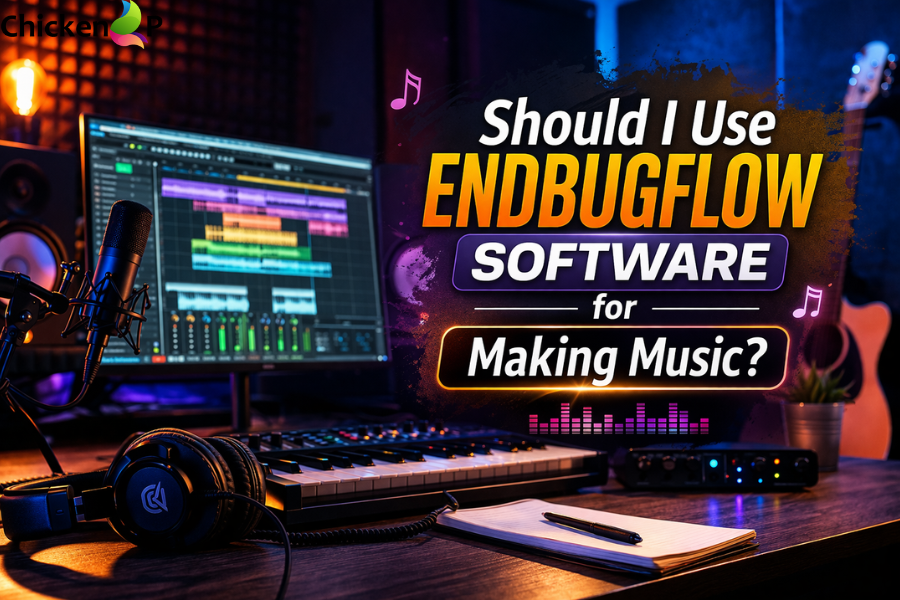

If you are asking should i use endbugflow software for making music, you are probably trying to answer a very practical question before investing your time, energy, and maybe even money into a new tool. That is a smart approach. Music production software can shape your entire creative process, and choosing the wrong platform can slow down inspiration instead of supporting it.
The truth is that not every piece of software with a modern name or impressive branding is actually built for musicians. Some tools are made for organization, some are designed for technical workflows, and others are intended for very specific industries. So when people search should i use endbugflow software for making music, what they really want to know is whether this software can help them write songs, record audio, build beats, arrange tracks, and finish polished music projects.
That is exactly what this article explores. Instead of hype, you need clarity. Instead of vague promises, you need a practical breakdown. By the end, you will have a much clearer sense of whether Endbugflow makes sense for your music workflow or whether you should choose a more traditional music production platform instead.
Quick Facts About Endbugflow for Music Use
| Topic | Quick Answer |
| Main question | Should i use endbugflow software for making music? |
| Best for direct music production | Probably not as a primary tool |
| Best for technical workflow support | Possibly useful in some cases |
| Good for beat making | Not ideal |
| Good for recording vocals | Not the best choice |
| Good for arranging songs | Limited if compared with real DAWs |
| Better option for musicians | A dedicated music production software |
| Ideal user type | Someone with a technical or workflow-based need |
Understanding What Musicians Really Need From Software
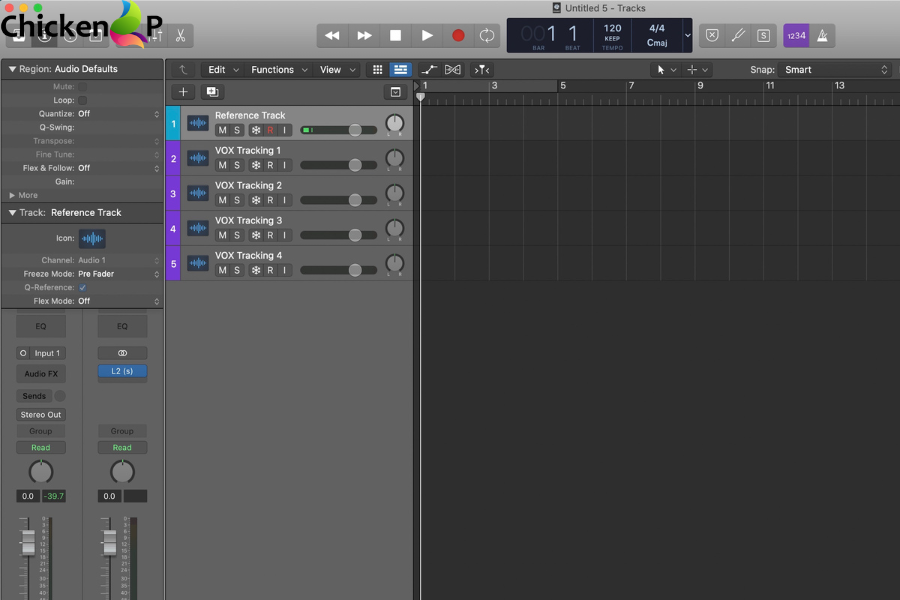
Before deciding should i use endbugflow software for making music, it helps to define what making music actually involves. For most creators, music production software is expected to do several things well. It should let you capture ideas quickly, record instruments or vocals, edit takes, arrange sections, apply effects, and export a finished project without friction.
A musician usually wants a creative environment. That means a place where ideas can turn into songs naturally. The software should feel intuitive enough to support inspiration, not interrupt it. Even advanced users still depend on the same core principles. They need speed, sound quality, flexibility, and a workflow that feels musical rather than administrative.
This is why software choice matters so much. If a tool is not designed around music creation, it may still be functional in some areas, but it often lacks the smooth experience artists expect. That gap becomes obvious the moment you try to record, build layered arrangements, or mix a song with detail and precision.
Should I Use Endbugflow Software for Making Music as a Beginner?
For beginners, the answer to should i use endbugflow software for making music depends on what you expect from your first production tool. If you want something that helps you learn melody creation, beat arrangement, MIDI programming, vocal recording, and mixing basics, then you usually need software built specifically for music.
A beginner benefits from visual clarity and creative simplicity. When you open a beginner-friendly music platform, you should be able to see tracks, instruments, tempo, effects, and editing tools in a way that makes immediate sense. You should be able to drag in sounds, play virtual instruments, and experiment without feeling like you are solving a technical puzzle.
If Endbugflow does not prioritize those musical features, it may feel limiting or confusing for a new artist. A beginner needs a tool that encourages creativity. The wrong platform can make music feel harder than it really is. That often leads to frustration, unfinished projects, and the false belief that the person lacks talent when the real problem is just poor software fit.
So if you are new and wondering should i use endbugflow software for making music, the safer answer is to compare it carefully against proven beginner-friendly music software before making it your main choice.
What Makes Music Production Software Truly Useful
To judge whether Endbugflow is a good option, you have to think about the qualities that define strong music software in real life. A useful music production tool is not just about technical capability. It is about how the software supports the creative flow from idea to final output.
A solid platform for music usually offers recording tools, editing control, arrangement flexibility, plugin support, instrument compatibility, mixing features, and dependable export options. It should also make it easy to revisit ideas, refine sections, test sounds, and build complete songs over time.
Good music production software also grows with you. A beginner might start with loops and simple beats, then later move into sound design, automation, bus routing, mastering chains, and detailed vocal production. The right software supports that evolution.
This is an important point in the discussion around should i use endbugflow software for making music. The question is not just whether the software works in some technical sense. The real question is whether it works well for the creative and musical demands of actual artists.
Where Endbugflow Might Fit in a Music-Related Workflow
There is a more nuanced side to the question should i use endbugflow software for making music. In some cases, a person involved in music may not be using software purely to compose or record songs. They might be managing projects, coordinating technical collaboration, testing a music-related product, or organizing development tasks.
In that kind of environment, Endbugflow could potentially have value. For example, if a team is building music apps, plugins, or digital tools for creators, software with workflow and tracking capabilities may be helpful. In that scenario, the software is not replacing a digital audio workstation. It is supporting the process around a music-related business or product.
That distinction matters. A supporting workflow tool can be useful in a music ecosystem without being the right choice for actual music production. Someone producing an album needs a creative workstation. Someone managing development or technical tasks may need organization and structure instead.
So when thinking about should i use endbugflow software for making music, it is worth asking whether you mean making music directly or supporting music work indirectly. Those are two very different needs.
Why the Wrong Software Slows Down Creativity
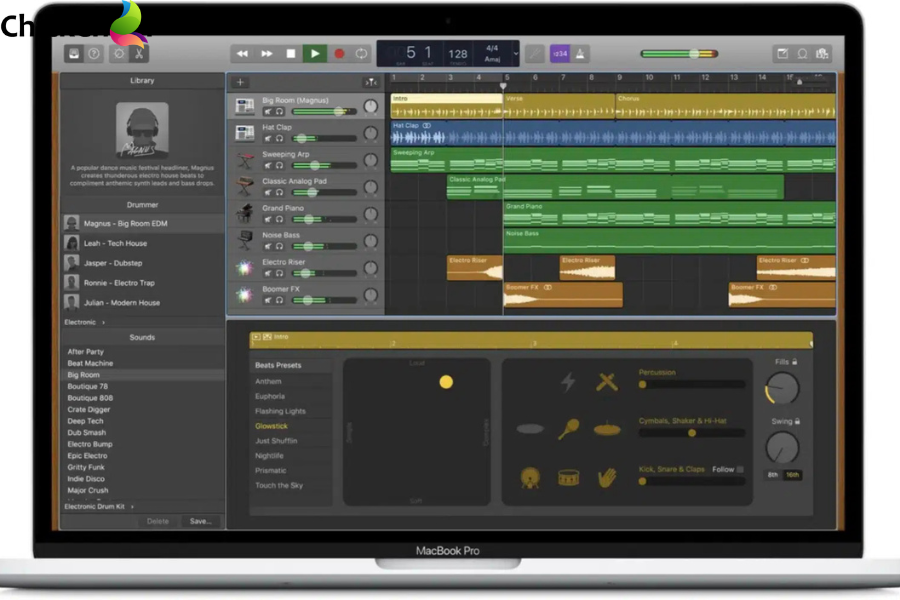
One of the biggest mistakes artists make is trying to force the wrong tool into the wrong role. It often happens because the software sounds interesting, looks modern, or promises efficiency. But creative work is very sensitive to friction. The moment a tool feels unnatural, the artistic process becomes harder.
When someone searches should i use endbugflow software for making music, they are often looking for certainty before they commit. That is good, because software affects not only productivity but also confidence. A smooth platform makes you want to keep working. A mismatched one makes every task feel heavier than it should.
Music production requires experimentation. You need to test melodies, cut sections, replay takes, move sounds around, compare versions, and shape emotion through detail. If your software is not built around those needs, it can interrupt momentum again and again. Small delays become creative blocks. Simple tasks start feeling overly technical.
That is why choosing proper music-making software is not just a technical decision. It is an artistic one.
Comparing Endbugflow With Traditional Music Production Platforms
To answer should i use endbugflow software for making music, it helps to compare it conceptually with what dedicated music software typically offers.
Traditional music platforms are designed around the actual language of production. They include tracks, clips, piano rolls, waveforms, effects chains, automation lanes, buses, metering, tempo controls, and rendering options. Their entire design is centered on turning ideas into audio.
A more technical or workflow-focused platform may not offer that same creative structure. Even if it has useful internal systems, it may not provide the immediate audio-focused environment musicians need. This becomes especially noticeable in songwriting, beat building, and mixing.
If your main goal is to create songs efficiently, then a dedicated audio workstation will almost always be more practical. If your main goal is managing technical work around music-related projects, then another kind of software might help. That is the core distinction behind the question should i use endbugflow software for making music.
For readers on your own website, this section is also a natural place to include internal links such as best music production software, Ableton vs FL Studio, and how to choose a DAW. These links help readers continue learning while supporting on-site SEO.
Who Should Probably Not Use Endbugflow for Music
Not every user has the same goals, but there are some categories of people who will likely struggle if they try to rely on Endbugflow as a music creation platform.
A singer-songwriter who wants to record vocals and acoustic layers needs a straightforward recording environment. A beat maker needs sequencing speed and sample control. A producer working with clients needs reliable sessions, plugin routing, and clean export options. A film composer needs arrangement depth, timing precision, and instrument management.
These are music-first needs. If Endbugflow does not place those capabilities at the center of the experience, then it may not be a strong fit for these users. That does not mean it has no value at all. It simply means it may not be the right tool for the specific job of creating music from start to finish.
That is why the question should i use endbugflow software for making music should be answered honestly. If your priority is songwriting, production, recording, or mixing, your workflow will likely improve more with software made specifically for artists.
Who Might Still Find It Useful
There is still room for a balanced answer. Not every person asking should i use endbugflow software for making music is a bedroom producer or recording artist. Some people work in music-adjacent technical roles. They may be part of a startup, software company, or digital creative team where workflow management matters.
In that case, Endbugflow may be useful as a support platform. It might help coordinate tasks, track issues, manage feedback, or structure collaboration in a technical environment. That does not make it a music production tool in the traditional sense, but it could still have value in the larger ecosystem.
This distinction is important because it prevents oversimplification. The software may not be the best choice for making songs, but it could still serve users whose relationship to music is tied to systems, product development, or technical operations & should i use endbugflow software for making music.
The Smartest Way to Choose Your Music Software
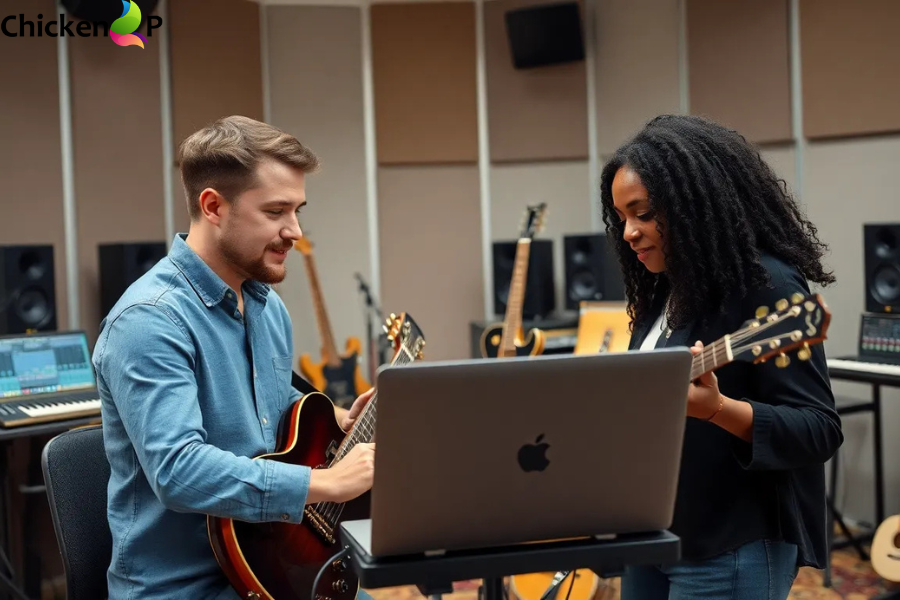
The best software decision starts with honesty about your actual needs. If you want to open a project and immediately begin shaping sounds, recording ideas, and building finished tracks, then you need a tool designed around musical creativity.
If your real need is organization, issue tracking, or workflow support for a technical project connected to music, then another kind of platform may be helpful. But the key is not to confuse support software with creation software.
That is the heart of the search query should i use endbugflow software for making music. The answer depends on what role you expect the software to play. If it is your central creative tool, then it should behave like one. If it does not, it will probably hold you back.
Choosing the right software is less about trends and more about alignment. The best platform is the one that makes your work easier, faster, and more enjoyable. For most musicians, that means choosing a true music production environment rather than trying to adapt a tool built for something else & should i use endbugflow software for making music.
Conclusion: Should I Use Endbugflow Software for Making Music?
So, should i use endbugflow software for making music?
If your goal is direct music creation such as recording songs, building beats, arranging compositions, editing vocals, or mixing final tracks, then it is probably not the ideal choice. Most musicians need software that is clearly designed around audio production, and that usually means choosing a dedicated DAW or another music-focused platform.
If your role is more technical and connected to music through project coordination, software development, or workflow management, then Endbugflow may have some value in a supporting capacity. But that is very different from using it as your main creative music tool.
The most helpful answer is also the simplest one. Use music software for music creation. Use workflow software for workflow support. When you match the tool to the task, your process becomes smoother, your results improve, and your creative energy goes where it should go: into the music itself & should i use endbugflow software for making music.
FAQs
Should I use Endbugflow software for making music if I am a complete beginner?
If you are a complete beginner, you will usually have a better experience with software designed specifically for music production. Beginner-friendly music platforms make it much easier to record, arrange, and experiment creatively.
Is Endbugflow good for recording vocals and instruments?
It may not be the best option if your main focus is recording vocals or instruments. Most artists need software with a clear recording workflow, flexible editing, and mixing tools built for audio.
Can Endbugflow replace a traditional DAW?
For most musicians, it probably cannot replace a traditional DAW effectively. A real digital audio workstation is built for composing, recording, editing, and mixing music in a way that workflow software usually is not.
Should I use Endbugflow software for making music in a professional setup?
In a professional music setup, the main production tool usually needs to handle demanding audio tasks smoothly. Unless Endbugflow is specifically proven to do that for your workflow, a dedicated music platform is generally the stronger choice.
Who might benefit from Endbugflow in the music space?
People working on technical, collaborative, or development-related tasks connected to music may find it useful as a support tool. That is different from using it as the main software for creating songs and more & should i use endbugflow software for making music.