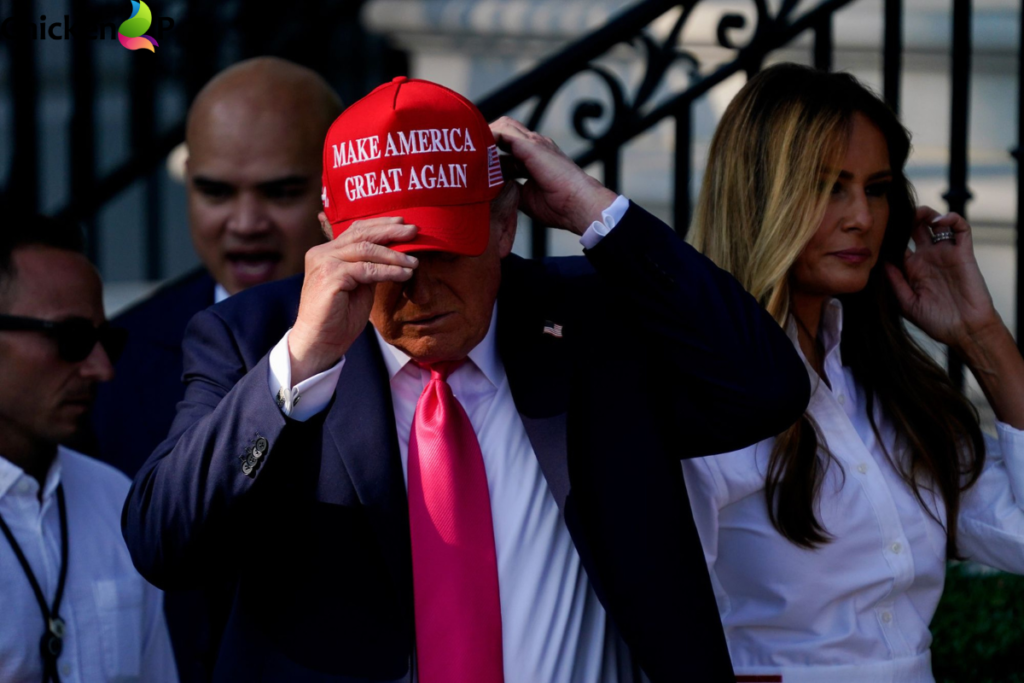

The Trump Make America Beautiful Again Commission is a bold initiative aimed at transforming cities across the USA through urban beautification projects and strategic community enhancement projects. Designed as a government commission, it focuses on improving public spaces, parks, streets, and historic areas to create safer, more vibrant communities.
This commission is part of broader Trump administration initiatives that emphasize public infrastructure improvement while encouraging citizen participation and local engagement. By combining federal oversight with local action, the commission seeks to set new standards for urban revitalization. Its goal is to enhance both the aesthetics and functionality of American cities, leaving lasting local community benefits.
What is the Make America Beautiful Again Commission?
The Trump Make America Beautiful Again Commission is a government commission aimed at improving the look and functionality of American cities. It focuses on urban beautification projects and community enhancement projects that make neighborhoods cleaner, greener, and more appealing. The commission works with local governments, private organizations, and civic groups to implement nationwide improvements.
This initiative is part of broader Trump administration initiatives to strengthen cities and communities. Its core is a beautification strategy that combines aesthetic improvements with practical public infrastructure improvement. The commission prioritizes visible changes like park renovations, street landscaping, and historical site preservation.
History and Formation of the Commission
The commission was formed in the early years of Trump’s presidency. The goal was to combine federal beautification programs with national city development plans. Experts in urban planning and local government joined to ensure projects followed best practices. The initiative emerged from the belief that beautiful, safe cities improve quality of life and economic opportunities.
It also aligns with Trump government plans for urban revitalization. The commission was designed to coordinate with federal agencies and local authorities to deliver measurable outcomes. This combination of civic engagement programs and federal oversight set it apart from past beautification efforts.
Trump’s Vision Behind the Commission
Trump envisioned a country where cities reflected pride, safety, and prosperity. His plan combined American revitalization efforts with practical improvements in infrastructure. He often mentioned that beautified cities would attract businesses, tourism, and investment, strengthening local economies. The focus was on creating a national standard for visually appealing and functional urban spaces.
His vision emphasized infrastructure modernization alongside beautification. This included upgrading streets, parks, and public buildings. He believed that a strong aesthetic identity could inspire community participation. Statements from Trump highlighted that this was not just cosmetic but a part of broader public works funding and urban strategy goals.
Primary Goals and Objectives of the Commission
The commission aims to improve neighborhoods while fostering local community benefits. Key objectives include expanding green spaces, renovating public buildings, and encouraging citizen participation in maintenance. The commission also targets underdeveloped areas for urban renewal projects, helping revive struggling communities.
It sets clear benchmarks for success, combining federal program outcomes with local feedback. The commission encourages cities to adopt sustainable practices, modern infrastructure designs, and accessible public spaces. These civic engagement programs help residents feel invested in their environment, creating lasting impact.
Major Projects Initiated by the Commission
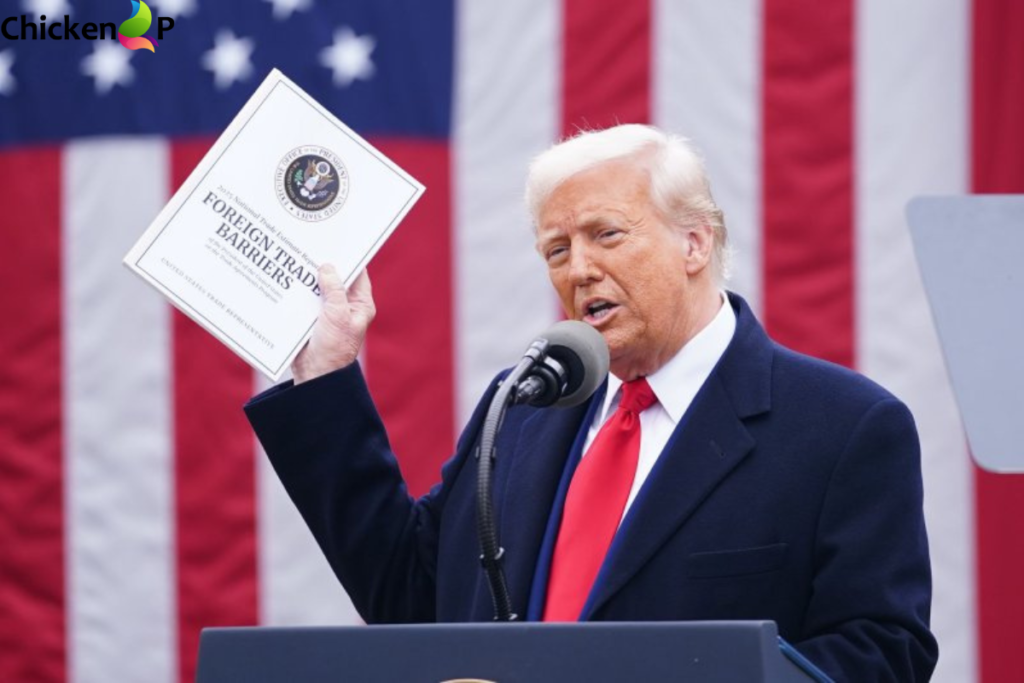
The commission has launched several urban beautification projects across the country. Notable initiatives include downtown park revamps, historical site restorations, and public art installations. Cities like Detroit, Miami, and Phoenix have received funding to modernize streets, improve lighting, and plant trees.
| City | Project | Investment ($ Millions) | Outcome |
| Detroit | Downtown Park Renovation | 15 | Increased tourism, safer parks |
| Miami | Street and Facade Modernization | 20 | Revitalized downtown, jobs |
| Phoenix | Urban Tree and Green Program | 10 | Cooler streets, cleaner air |
These projects combine community enhancement projects with public infrastructure improvement. Each city reports measurable improvements in safety, aesthetics, and public satisfaction.
Funding and Budget Allocation Explained
The commission receives federal funding as part of broader Trump policy updates. Funds are allocated to cities based on population, need, and project scale. The largest portion supports public works funding, including roads, parks, and civic centers. Smaller portions support arts and cultural improvements as part of the beautification strategy.
Budget transparency ensures federal program outcomes can be monitored. Each city must submit reports showing local community benefits and project progress. Funding also encourages collaboration with private businesses and civic groups, combining resources for maximum impact.
Controversies Surrounding the Commission
The commission has faced political controversy since its inception. Critics argue it prioritizes aesthetics over essential services. Some say funds could have been used for housing, healthcare, or education instead of urban beautification. Opponents highlight disparities between large and small cities, questioning fairness in allocation.
Environmental groups have raised concerns about sustainability. The commission’s urban renewal projects sometimes clash with local ecosystems. Critics also point to delays and policy criticism and support disputes in federal agencies, fueling debates about priorities and efficiency.
Political Reactions and Public Opinions
Reactions to the commission are mixed. Supporters praise Trump government plans for revitalizing neglected urban areas. They argue that beautified cities attract businesses and tourism, creating American revitalization efforts with economic benefits.
Opponents emphasize the environmental and civic impact of poorly executed projects. They argue that without community input, some initiatives fail to meet local needs. Citizens in various states have voiced both support and criticism, reflecting diverse opinions across the USA.
Impact on Local Communities and Cities
The commission has created measurable local community benefits. Public parks, streets, and historic sites have improved, and residents report increased pride and engagement. Several cities have seen a reduction in crime and vandalism linked to upgraded public spaces.
These urban beautification projects also encourage investment. Businesses often open near improved areas, boosting local economies. Community programs foster citizen involvement, linking beautification with civic engagement programs to ensure sustainable impact & trump make america beautiful again commission.
Criticism from Environmental and Civic Groups
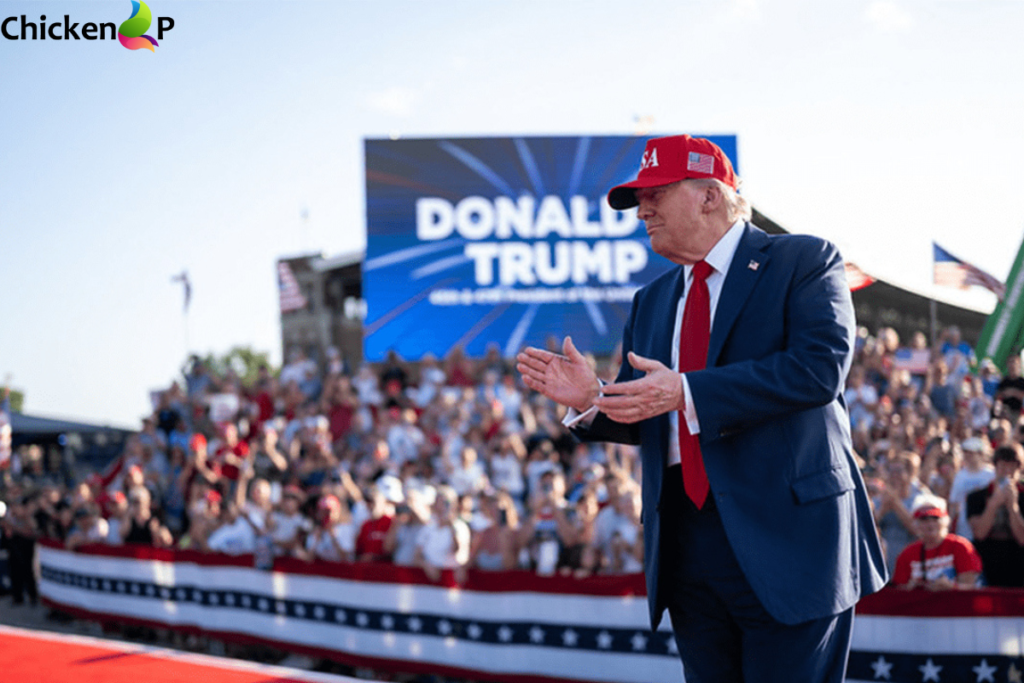
Some groups claim the commission’s beautification strategy harms natural resources. Environmentalists argue that new infrastructure sometimes disrupts local ecosystems. Civic groups question whether federal funding should focus more on social programs than urban aesthetics.
These criticisms highlight the balance between infrastructure modernization and sustainability. Despite successes, some initiatives face pushback for inadequate environmental planning or trump make america beautiful again commission prioritizing appearances over essential services. Policy criticism and support debates continue across multiple states.
Key Achievements So Far
The commission has achieved noticeable improvements. Renovated parks, cleaner streets, and revitalized downtown areas demonstrate its impact. Cities like Detroit and Miami report increased tourism and public engagement, reflecting urban renewal projects that deliver tangible results.
Federal and local authorities credit the commission with improving public infrastructure improvement and promoting community enhancement projects. Citizen surveys show high satisfaction, and several projects have received awards for urban planning excellence & trump make america beautiful again commission.
Future Plans and Potential Challenges
Future plans aim to expand urban beautification projects nationwide. The commission intends to incorporate more sustainable practices, such as energy-efficient lighting and green construction materials. Long-term strategies focus on American revitalization efforts and modernized civic spaces.
However, challenges remain. Funding gaps, political controversy, and environmental concerns could slow progress. Cities must balance federal program outcomes with local needs, ensuring both beauty and functionality. Success depends on collaboration between government agencies, citizens, and private partners and trump make america beautiful again commission more.