

If you’ve ever stared at your screen wondering “undoing changes made to your computer how long is this going to take?”, you’re not alone. This message typically appears after a failed Windows update, system modification, or driver installation. It can feel stressful, especially when your PC seems stuck or frozen.
The phrase undoing changes made to your computer how long reflects a common user concern: how much time should you realistically wait before taking action? In most cases, the process takes anywhere from 5 minutes to 45 minutes. However, certain factors such as update size, system performance, and disk health can extend that time significantly.
In this comprehensive guide, we’ll explore what’s happening behind the scenes, how long you should wait, what to do if your PC is stuck, and how to prevent this issue in the future. By the end, you’ll know exactly what steps to take—and when to stay patient.
What Does “Undoing Changes Made to Your Computer” Mean?
When you see the message undoing changes made to your computer how long, Windows is essentially rolling back a failed update or configuration. This rollback process restores system files to a previous stable state.
This typically occurs after:
• A failed Windows update
• Interrupted system upgrade
• Corrupted update files
• Power loss during installation
• Driver conflicts
Windows uses a built-in rollback mechanism to protect your system from damage. According to official documentation from Microsoft Windows, Windows automatically attempts recovery when update installation fails to ensure system stability.
In simple terms, your PC is protecting itself.
Undoing Changes Made to Your Computer How Long Should It Take?
The most important question is: undoing changes made to your computer how long should you wait before worrying?
Here’s a realistic time estimate based on system type:
• Fast SSD with modern hardware: 5 to 20 minutes
• Standard HDD system: 20 to 45 minutes
• Large feature updates: up to 1 hour
• Older PCs: potentially longer
If your system is actively showing spinning dots or disk activity, it’s usually still working. However, if the screen remains frozen for over 2 hours with no sign of activity, it may be stuck.
The rollback process depends on several technical factors.
Why the Process Sometimes Takes So Long
When people search for undoing changes made to your computer how long, they often assume something is broken. In reality, Windows may simply be processing large update packages.
Update Size and Type
Feature updates are significantly larger than security patches. For example, Windows 10 or Windows 11 version upgrades involve gigabytes of files. These updates modify system components deeply, so rolling them back takes longer.
You can review update types directly via official support pages from Windows Update.
Storage Speed
Solid-state drives process file changes much faster than traditional hard disk drives. A slow HDD can dramatically increase rollback time.
System Corruption
If update files were corrupted during download, Windows may need to scan and repair multiple system components.
Low Disk Space
Insufficient storage can slow down or interrupt rollback procedures. Windows requires temporary working space during updates.
Signs the Rollback Is Still Working
Before assuming the worst when thinking about undoing changes made to your computer how long, check for these signs:
• Spinning circle animation
• HDD activity light blinking
• Fan running consistently
• Occasional screen flicker
If these signs are present, your PC is likely still processing.
What If It’s Stuck for Hours?
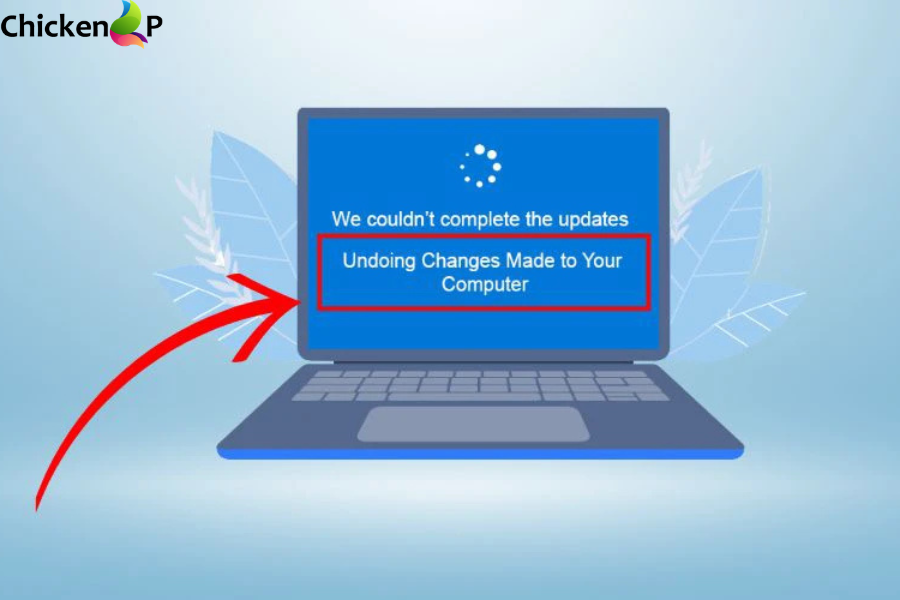
If the message undoing changes made to your computer how long remains unchanged for over two hours without activity, you may need to intervene.
First, wait at least 60 to 90 minutes to be safe. Interrupting too early can cause deeper system corruption.
If you are confident it’s frozen:
• Force shut down by holding the power button
• Restart the system
• Allow Windows to attempt automatic repair
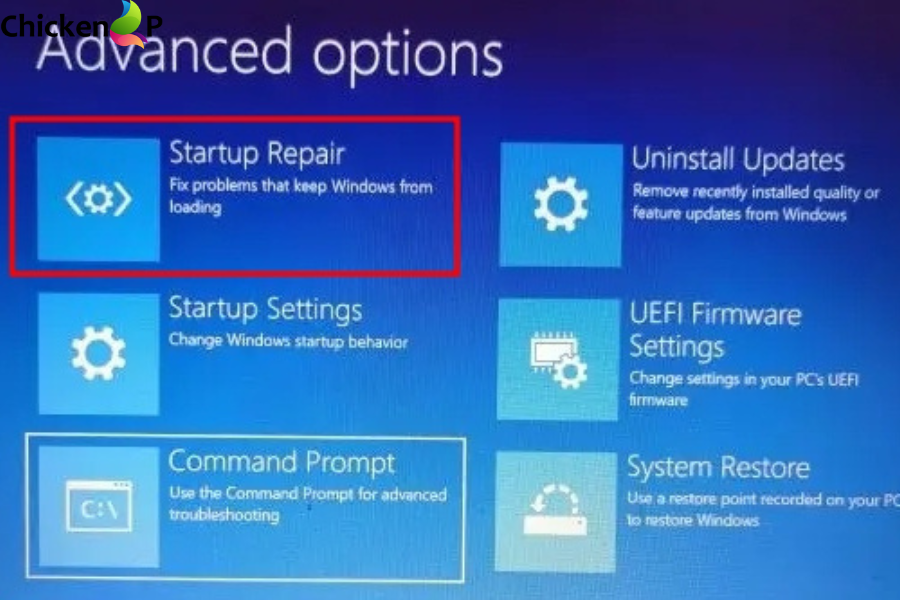
If Windows fails to boot properly, you may see recovery options such as Startup Repair or Advanced Options.
The built-in repair tools within Windows Recovery Environment can help fix boot errors and corrupted updates.
Safe Troubleshooting Steps
If your system continues looping on undoing changes made to your computer how long, try the following:
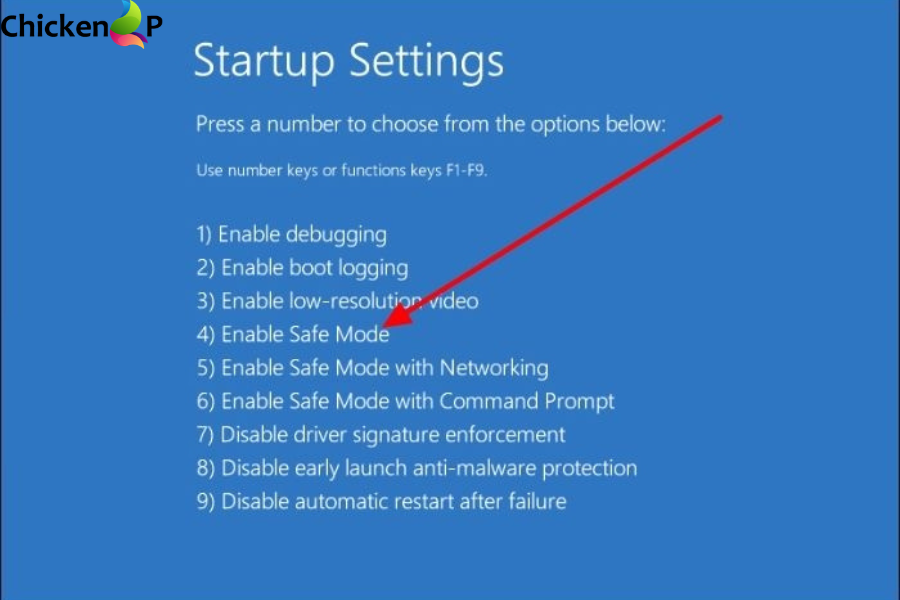
Boot into Safe Mode
Safe Mode starts Windows with minimal drivers and services. This allows you to remove problematic updates.
To access Safe Mode:
• Restart PC three times during boot
• Enter Advanced Startup
• Select Safe Mode
From there, uninstall the most recent update.
Use System Restore
If enabled, System Restore can revert your system to a previous restore point.
This feature is built into Windows 10 and Windows 11.
Run SFC and DISM Scans
Corrupted system files often cause rollback delays.
Open Command Prompt as administrator and run:
sfc /scannow
DISM /Online /Cleanup-Image /RestoreHealth
Microsoft provides official guidance for these commands in their support documentation.
How to Prevent This Issue in the Future
Once you’ve resolved the undoing changes made to your computer how long situation, prevention is key.
Keep at least 20 percent of your disk space free.
Avoid shutting down your PC during updates.
Use a UPS if you live in an area with unstable electricity.
Install updates gradually instead of skipping multiple versions.
Regular maintenance improves update reliability and reduces rollback risks.
You can also learn more about PC optimization in our internal guide on “How to Speed Up Windows After Updates” and our troubleshooting article on “Fix Windows Update Errors Quickly.”
When Should You Be Concerned?
Most cases of undoing changes made to your computer how long resolve within an hour.
However, be concerned if:
• System reboots continuously
• Blue screen appears repeatedly
• Hard drive makes clicking sounds
• System never progresses beyond rollback message
In extreme cases, you may need a clean installation of Windows. Always back up important data regularly.
Expert Insight on Update Rollbacks
From experience working with Windows systems, rollback delays are rarely catastrophic. In most scenarios, patience solves the problem.
Windows is designed with automatic recovery mechanisms. According to Microsoft’s official support resources, failed updates trigger a rollback sequence to preserve system integrity.
That means the message is actually a safety feature, not a failure indicator.
Understanding this reduces panic and helps you respond calmly.
Conclusion: Undoing Changes Made to Your Computer How Long Should You Wait?
So, undoing changes made to your computer how long should you realistically expect to wait?
In most cases, between 5 and 45 minutes. For major updates, possibly up to an hour. If there is no activity after two hours, troubleshooting may be necessary.
The key takeaway is simple: do not panic. Windows rollback processes are built to protect your data and operating system. By understanding what’s happening behind the scenes, you can make informed decisions rather than guessing.
If you found this guide helpful, explore our related troubleshooting articles and performance optimization tips to keep your system running smoothly.
FAQ: Undoing Changes Made to Your Computer How Long
How long should I wait before forcing shutdown?
You should wait at least 60 to 90 minutes before forcing shutdown. If there is visible activity like spinning dots, let it continue.
Why does my PC say undoing changes after update?
This happens when Windows fails to complete an update and automatically rolls back to the previous working version.
Can I turn off my computer during undoing changes?
It is not recommended. Interrupting the rollback may cause file corruption or boot errors.
What if my computer keeps looping on undoing changes?
Boot into Safe Mode and uninstall the latest update. If that fails, use System Restore.
Does undoing changes delete my personal files?
No. The rollback process only affects system files and updates, not personal documents or photos and more.